

The Bauhaus, a revolutionary school that operated in Germany from 1919 to 1933, was more than just an educational institution; it was a movement that transformed the world of art, design, and architecture. At its core, the Bauhaus championed a blend of simplicity, functionality, and the fusion of art with technology, laying the foundation for what we now know as the Bauhaus architecture style.
The Origins of Bauhaus Architecture
Bauhaus architecture is characterized by its emphasis on functionality, simplicity, and the use of modern materials and technologies. The style emerged from the Bauhaus school’s innovative approach to design education, which sought to bridge the gap between art and industry.
Key characteristics of Bauhaus architecture include:
- Simple, geometric forms and clean lines
- Lack of ornamentation and emphasis on minimalism
- Use of modern materials such as steel, glass, and reinforced concrete
- Flat roofs and large windows to maximize natural light
- Asymmetrical compositions and open floor plans
- Integration of art and technology in design
These defining features of Bauhaus architecture reflect the school’s core principles, which emphasized functionality, universal design, and the harmony of form and purpose.

SHOP OUR BAUHAUS HOME DECOR
-

-
Black and white Bauhaus Block Print – WallPrice range: $32.00 through $40.00
-
Bauhaus Inspired Ellucian Mate Stars Art Print By Matt SaincelairPrice range: $58.15 through $74.20






Defining Characteristics of Bauhaus Architecture
Founded by Walter Gropius in Weimar, Germany, in 1919, the Bauhaus school emerged during a time of post-World War I social and cultural upheaval. Gropius envisioned a new educational model that would erase the traditional divide between fine arts and applied arts, cultivating artist-designers proficient in both beauty and utility.
The Bauhaus curriculum promoted a unified approach to art, blending creativity with practical skills and emphasizing the integration of art, craft, and technology. This holistic design philosophy laid the groundwork for the development of the Bauhaus architectural style.
Throughout its 14-year existence, the Bauhaus faced numerous challenges, including forced relocations to Dessau in 1925 and Berlin in 1932. Despite these difficulties, the school’s influence continued to grow, thanks in large part to the groundbreaking work of its faculty and students.
Bauhaus architects like Walter Gropius, Ludwig Mies van der Rohe, and Marcel Breuer not only theorized the principles of Bauhaus architecture but also brought them to life through their innovative designs. Projects such as the Sommerfeld House and the Dessau Bauhaus Building exemplified the school’s new architectural language, characterized by clarity, geometric forms, and the practical application of Bauhaus design principles.
The Global Impact and Legacy of Bauhaus Architecture
Although the Bauhaus school closed its doors in 1933 under pressure from the Nazi regime, its impact on the world of architecture and design was far from over. As Bauhaus faculty and students dispersed across the globe, they carried the school’s revolutionary principles with them, ensuring that the Bauhaus style would continue to evolve and inspire generations of architects and designers.
The influence of Bauhaus architecture can be seen in numerous modernist styles, including the International Style and Brutalism. Its emphasis on functionality, minimalism, and the use of modern materials and technologies laid the foundation for much of 20th-century architecture and continues to shape contemporary design practices.
Notable Bauhaus housing projects, such as the Törten Estate in Dessau (1926-1928) and the Dammerstock Housing Estate in Karlsruhe (1927-1928), showcased the potential of Bauhaus principles to create affordable, high-quality living spaces. These projects demonstrated the school’s commitment to improving society through design and served as models for future urban planning efforts.
Fascinating Facts and Lesser-Known Aspects of Bauhaus Architecture
Beyond its well-known characteristics and influential figures, the Bauhaus movement boasts a rich history of innovation and surprising facts:
- Prefabricated Bathroom Units: Bauhaus pioneers revolutionized residential construction with the introduction of prefabricated bathroom units, designed for mass production and featuring integrated toilets, sinks, and showers.
- Revolving Stage Design: Walter Gropius’s Total Theater, designed in 1927, featured a groundbreaking revolving stage that allowed for seamless scene changes and multiple viewing perspectives.
- Geodesic Dome Experiments: Years before Buckminster Fuller’s famous work, Bauhaus student Carl Witzmann created an early geodesic dome prototype in 1924.
- Flat-Pack Furniture: Marcel Breuer’s iconic Wassily Chair, designed in 1925, pioneered the concept of flat-pack furniture that could be shipped efficiently and assembled by the end-user.
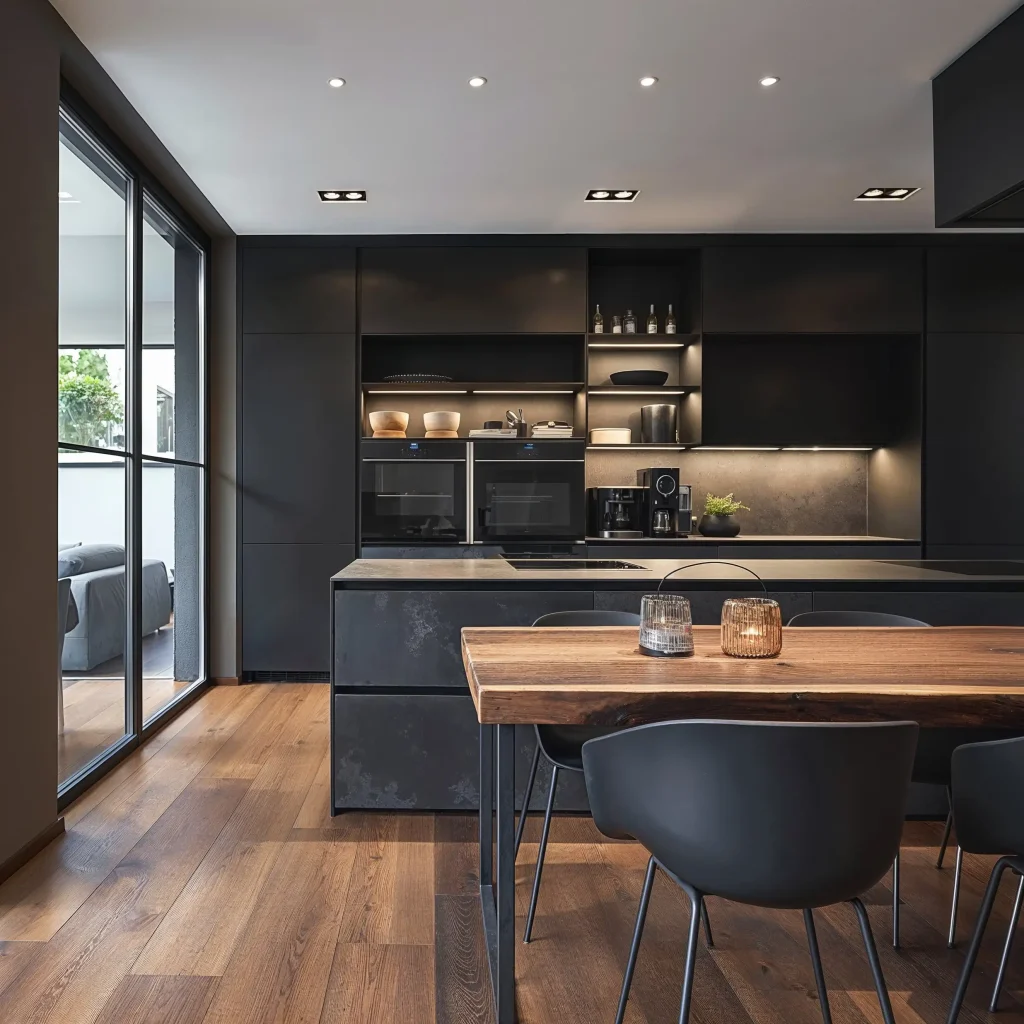
- Standardized Kitchen Design: The Frankfurt Kitchen, designed by Margarete Schütte-Lihotzky in 1926, revolutionized modern kitchen layouts with its compact, efficient design and built-in storage.
In addition to these innovations, the Bauhaus movement significantly influenced color theory, urban planning, furniture and product design, art and typography, and design education. Its holistic approach and emphasis on the integration of art and technology continue to inspire and challenge designers across disciplines.
Enduring Legacy of Bauhaus Architecture
As we look to the future of architecture and design, the enduring legacy of the Bauhaus serves as a constant source of inspiration and guidance. By understanding and embracing the core principles of Bauhaus architecture—functionality, simplicity, and the fusion of art and technology—we can create spaces and objects that not only serve their intended purposes but also enrich the lives of those who interact with them.
The Bauhaus movement’s emphasis on universal design, sustainability, and social responsibility reminds us of the power of architecture to shape our world for the better. As we face the challenges of the 21st century, from rapid urbanization to climate change, the lessons of the Bauhaus are more relevant than ever.
By continuing to explore and build upon the groundbreaking work of Bauhaus architects and designers, we can ensure that the movement’s spirit of innovation, collaboration, and dedication to improving the human experience lives on, guiding us towards a more functional, beautiful, and equitable built environment.
Several Bauhaus sites have been designated as UNESCO World Heritage Sites, acknowledging the global impact and significance of this influential movement.