
In interior design, Japandi and Wabi Sabi often mingle on mood boards, yet they possess distinct identities. Let’s break down these styles to appreciate their unique flavors.
Japandi vs. Wabi Sabi:
| Features | Japandi | Wabi Sabi |
|---|---|---|
| Philosophy | Functionality and modern simplicity | Beauty in imperfection and aging |
| Design Elements | Clean lines, minimal decor | Imperfect, aged materials |
| Color Palette | Neutral (whites, greys, beiges) | Earthy tones (browns, greens, greys) |
| Materials | Wood, stone, natural materials | Aged wood, stone, natural fabrics |
| Furniture | Functional and sleek | Simple and organic |
| Decor Style | Minimal and tidy | Simple and uncluttered |
| Key Features | Blend of Japanese and Scandinavian | Emphasis on natural imperfections |
| Ideal For | Lovers of modern, functional spaces | Admirers of authenticity and nature |
What is Japandi?
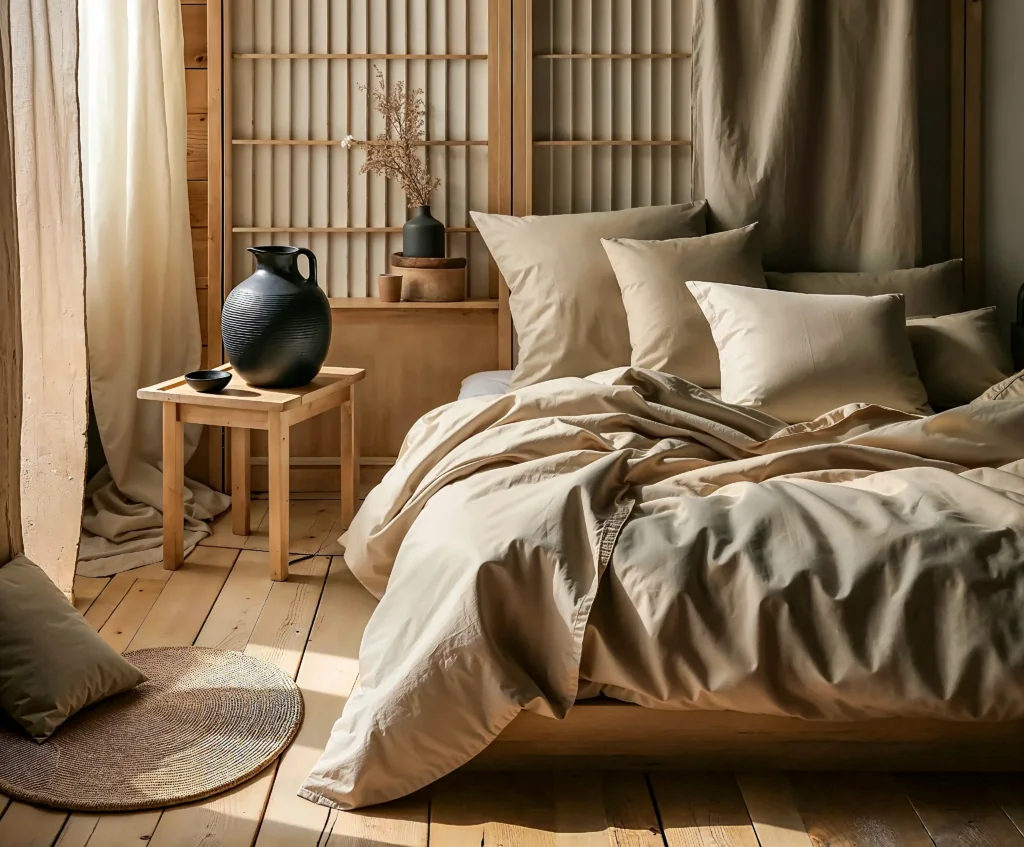
Japandi is a blend of Japanese and Scandinavian aesthetics. It marries functionality with simplicity.
Its hallmark is minimalism, but with a warm, inviting twist.
Picture clean lines and decluttered spaces, where every object serves a purpose.
In Japandi, the color palette is muted yet cozy, favoring soft neutrals and earthy tones.
The focus is on natural materials like wood, wool, and linen, fostering a connection with nature.
History of Japandi Design
The history of Japandi design is a fascinating blend of cultural exchange and aesthetic evolution, combining elements from both Japanese and Scandinavian design traditions.
While Japandi as a distinct style has gained popularity in recent years, its roots can be traced back to earlier historical influences and cultural parallels.
Japanese Design Influence:
- Traditional Japanese Aesthetics: The roots of Japanese design aesthetics go back centuries, influenced by Zen Buddhism and the concept of finding beauty in simplicity and natural imperfection. This is evident in traditional Japanese architecture, interior design, and even in practices like the tea ceremony, which emphasize minimalism, functionality, and a deep respect for natural materials.
- Wabi-Sabi Philosophy: Central to Japanese aesthetics is the concept of Wabi-Sabi, which finds beauty in imperfection, impermanence, and incompleteness. This philosophy has profoundly influenced Japanese art and design, emphasizing rustic simplicity, understated elegance, and the inherent beauty of natural objects and processes.
Scandinavian Design Influence:
- Modern Scandinavian Design: Emerging in the 1950s, Scandinavian design is known for its simplicity, minimalism, and functionality. It was a response to the Nordic region’s climate and lifestyle, focusing on creating bright, light-filled spaces to counteract long, dark winters. The use of natural materials, such as wood and wool, is also a key element.
- Democratic Design Ideal: Scandinavian design also embodies the principle of “democratic design,” which means good design should be accessible to all. This approach values functionality, affordability, and simplicity, making it popular worldwide.

Convergence into Japandi:
- Globalization and Cross-Cultural Exchange: With the rise of globalization, the cross-pollination of design ideas became more prevalent. Designers and homeowners began combining elements from different cultures, seeking a balance between aesthetics and functionality.
- Rise of Minimalism: In recent years, there’s been a global shift towards minimalism in interior design, influenced by a desire for sustainable living and clutter-free spaces. Both Japanese and Scandinavian designs fit well into this trend, leading to a natural blending of the two styles.
- Shared Aesthetic Values: Both Japanese and Scandinavian designs value simplicity, natural materials, and craftsmanship. This common ground provided a basis for the fusion of these two styles, giving rise to Japandi.
- Contemporary Popularity: The term “Japandi” itself is relatively new and has gained significant traction in the 21st century. It reflects a growing interest in creating serene, uncluttered spaces that are both functional and aesthetically pleasing.
Japandi design, therefore, is not just a trend but a representation of a deeper cultural synergy.
It resonates with modern sensibilities by combining the best of both worlds: the Japanese art of balancing simplicity with nature and the Scandinavian knack for functional comfort.
What is Wabi Sabi?
Wabi Sabi, rooted in ancient Japanese philosophy, finds beauty in imperfection and transience. This style embraces the quirky, the aged, and the irregular.
Unlike Japandi’s structured minimalism, Wabi Sabi is more organic and less predictable. It’s about celebrating the cracks, the chips, and the weathering that life brings.
The Wabi Sabi palette leans towards earthy, muted tones, similar to Japandi, but with a more rustic, less polished feel.
Differences between wabi sabi and japandi
- Form vs. Flow: Japandi emphasizes clean, geometric shapes, while Wabi Sabi flows with irregular, organic forms.
- Perfection vs. Imperfection: Japandi seeks a neat, orderly look, whereas Wabi Sabi revels in the charm of wear and tear.
- Polished vs. Rustic: Japandi spaces are sleek and polished, while Wabi Sabi environments are more rugged and raw.
Why It Matters
Understanding these nuances is key for anyone passionate about interior design.
Whether you lean towards the orderly beauty of Japandi or the rugged charm of Wabi Sabi, recognizing their differences helps in creating a space that resonates with your personal style.
In conclusion, Japandi and Wabi Sabi, though sharing some similarities, diverge in their core philosophies and aesthetics.
It’s this distinction that makes each style uniquely captivating and worthy of exploration in the world of interior design.
How to incorporate janpandi style in real life?
Incorporating Japandi in real life is all about blending simplicity with warmth, creating a space that’s both minimal and inviting. Here’s how you can bring this aesthetic into your home:
- Choose a Neutral Palette
Start with a color scheme of neutral and earthy tones. Think beige, soft greys, and muted greens. These colors create a calm, serene backdrop.
2. Embrace Natural Materials
Japandi relies heavily on materials like wood, bamboo, wool, and linen. These elements add warmth and texture to the minimalist design.
3. Prioritize Functionality
Every item should have a purpose. Avoid clutter and choose furniture and decor that are both functional and stylish. Clean lines and sleek designs are key.
4. Incorporate Plants
Adding greenery is a simple way to connect with nature. Opt for low-maintenance plants that complement the minimalist vibe.
5. Focus on Quality Over Quantity
Invest in a few high-quality pieces rather than many lower-quality items. Japandi is about appreciating the craftsmanship and longevity of objects.
6. Play with Light
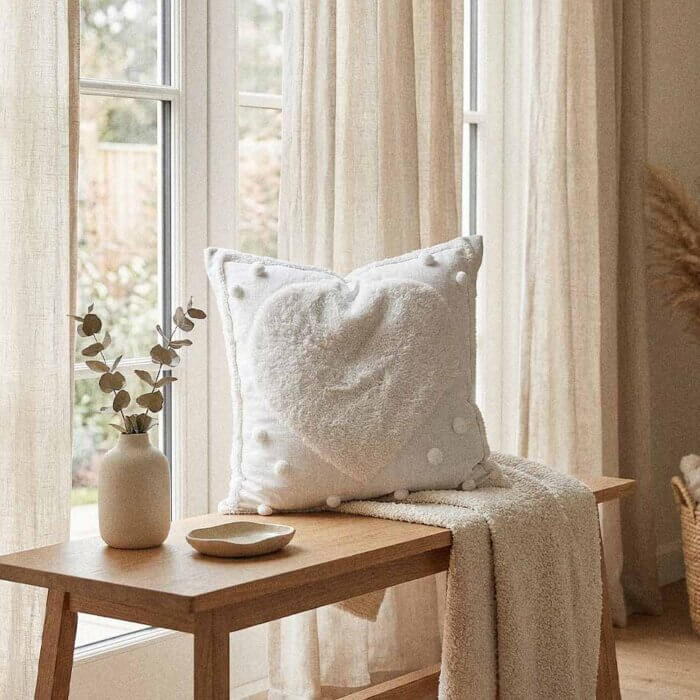
Allow natural light to flow in. Use sheer, light curtains to soften the space. For artificial lighting, choose simple, unobtrusive fixtures.
7. Add Cozy Textiles
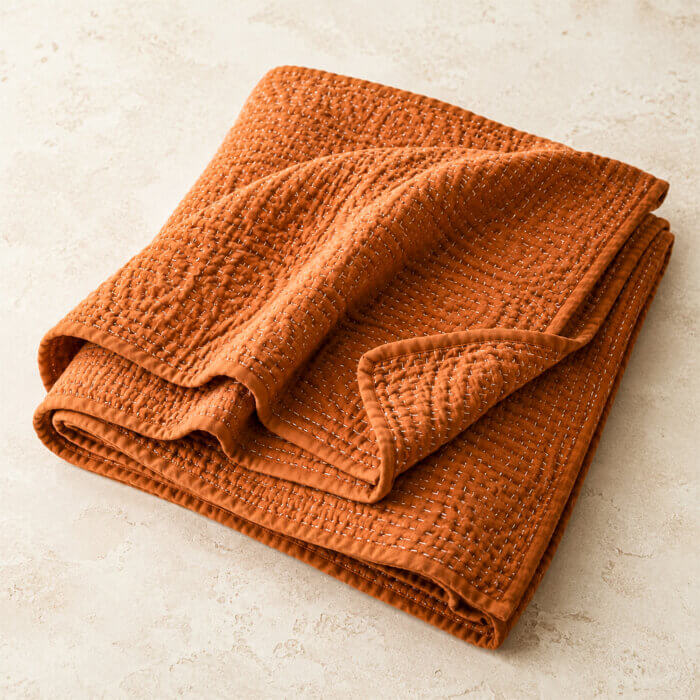
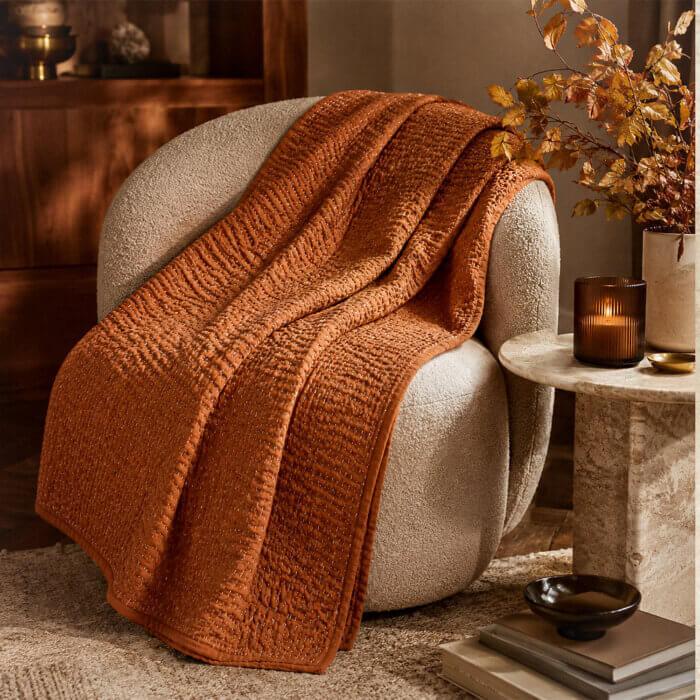
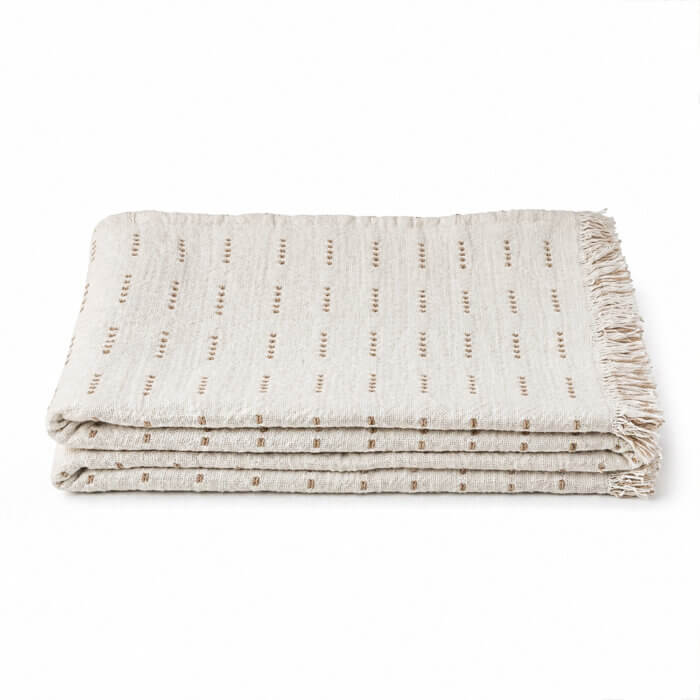
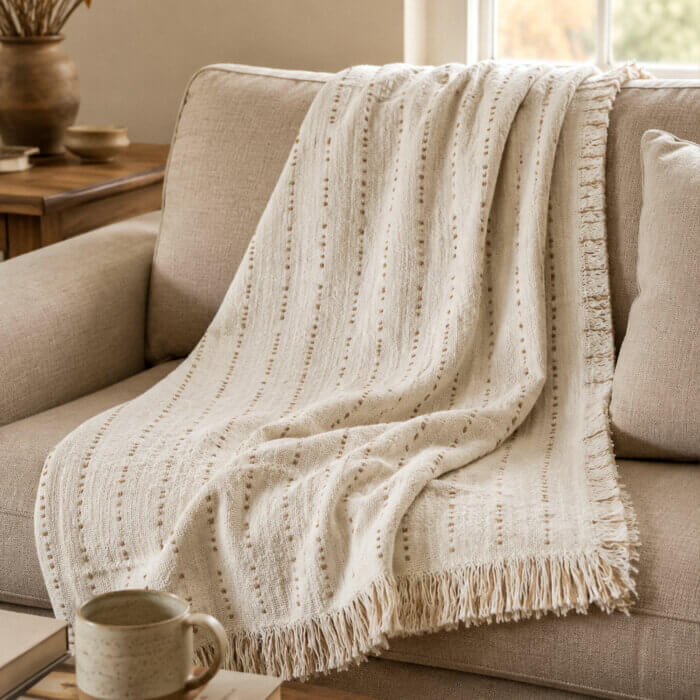
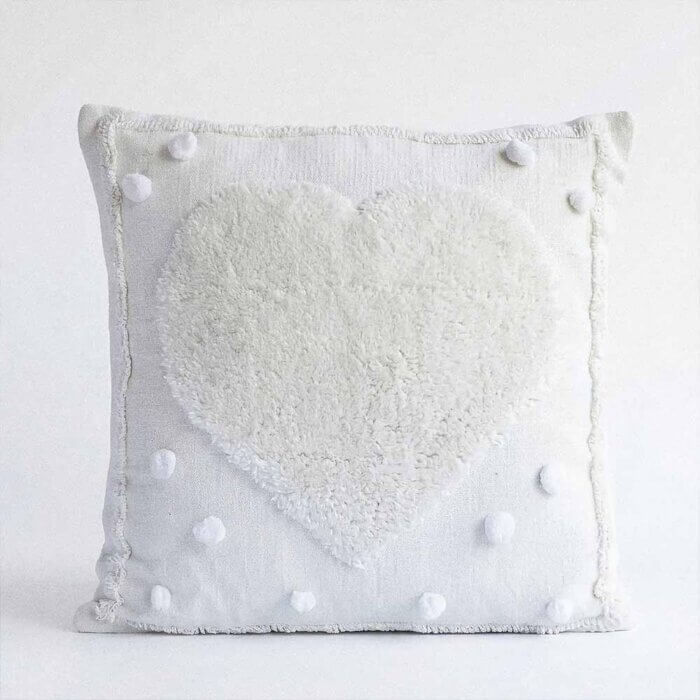
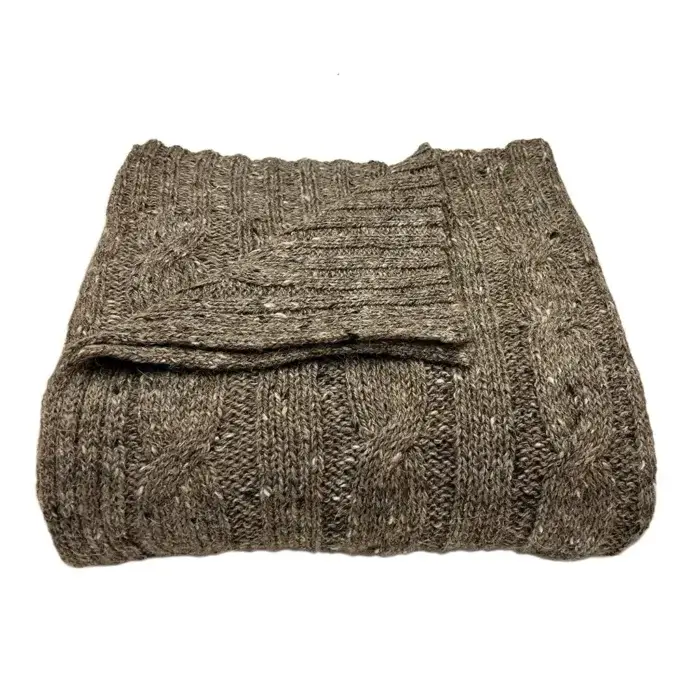
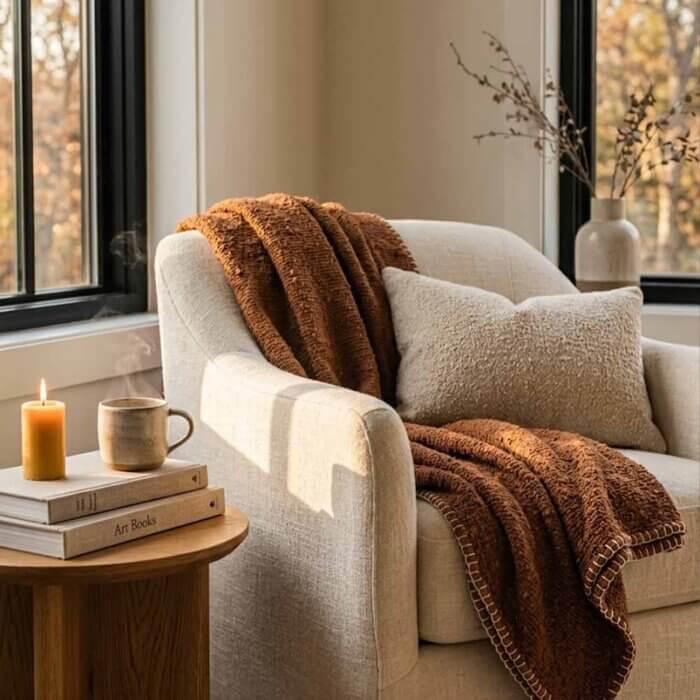
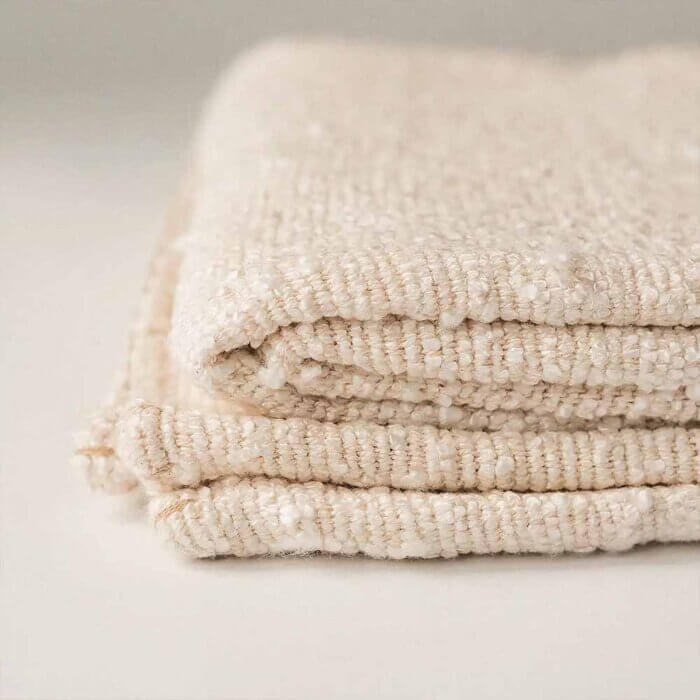
Soften the minimalism with cozy textiles. Think plush throws, cushions, and rugs in natural fibers.

In a Japandi bedroom, comfort and natural materials are paramount.
Our organic cotton sheets, available in serene, neutral tones, align perfectly with the Japandi emphasis on natural, breathable materials.
They add a layer of understated luxury and comfort to your minimalist bedroom.
8. Blend Old and New
Japandi isn’t about everything being sleek and new. Mix modern items with vintage or handcrafted pieces for a balanced look. Japandi style celebrates the beauty of handmade items and artisanal craftsmanship.

Our black creamer set, crafted by skilled artisans, embodies this spirit.
Its simple yet elegant design complements the minimalist, functional aspect of Japandi, while its handmade nature adds a touch of Wabi-Sabi – the beauty in imperfection.

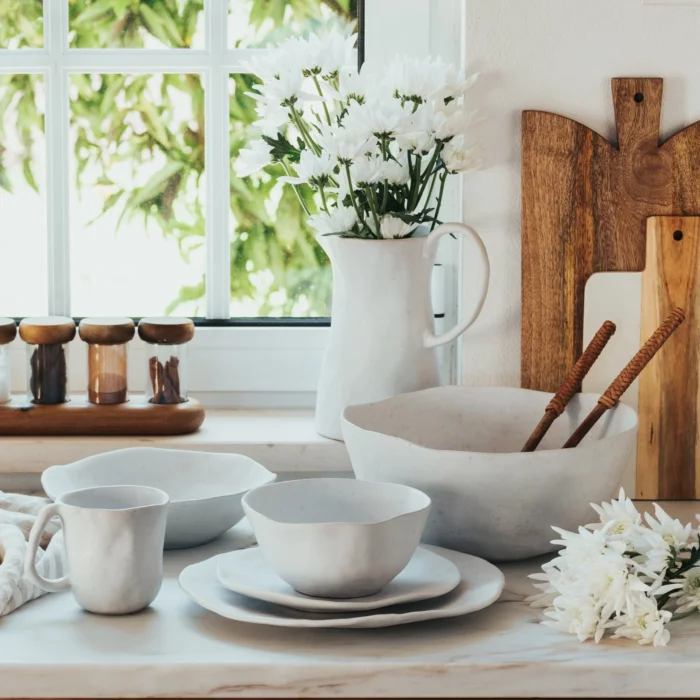
Ideal for those who lean towards the lighter side of the Japandi palette, these white ceramic pitchers blend seamlessly with the style’s preference for muted, earthy tones.
They serve as a functional yet stylish accessory, perfect for a minimalist kitchen or dining area.

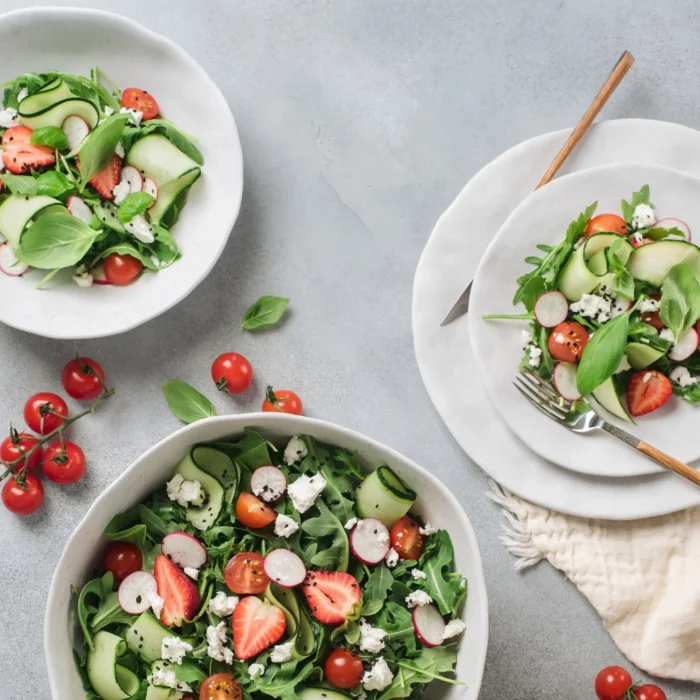
This bowl, with its raw concrete texture and wabi-sabi design, is best suited for individuals who appreciate minimalist, Japanese-inspired decor and the beauty of imperfection. It’s perfect for those who value functional art pieces that blend simplicity and character, making it an ideal accent for modern, serene, and earthy interiors.
Use it to complement:
- Minimalist living rooms
- Zen-inspired spaces
- Entryways for small essentials
- Coffee tables to showcase natural elegance
Its subtle imperfections and handcrafted charm resonate with the wabi-sabi philosophy, creating a connection to the authentic beauty of life’s natural irregularities.
9. Create Open Spaces
Avoid overcrowding. Japandi spaces are open and airy, promoting a sense of tranquility and ease.
10. Minimalist Artwork
Choose simple, abstract art or nature-inspired pieces. The artwork should complement the room’s color scheme and add to the peaceful ambiance.
In conclusion, Japandi and Wabi Sabi, though sharing some similarities, diverge in their core philosophies and aesthetics.
It’s this distinction that makes each style uniquely captivating and worthy of exploration in the world of interior design.