Most people think matcha tastes like grass. The real reason? They are buying the wrong quality.
Matcha has exploded in popularity, and that also means the market is flooded with low-grade powder dressed up in pretty tins. Finding high quality green matcha tea takes more than picking the prettiest packaging on the shelf. I tested 10 different matcha powders so you do not have to wade through the confusion yourself. I will show you how to look past the marketing language and find the real thing.
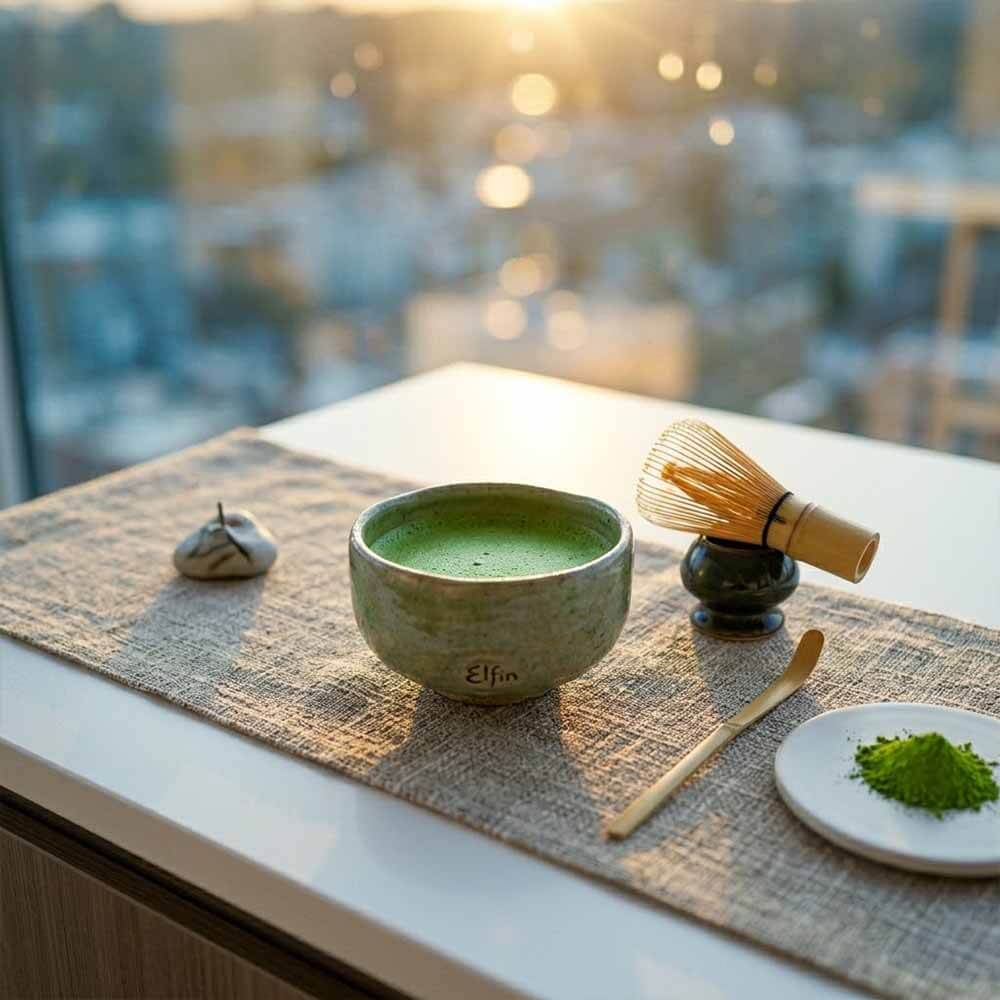
A beautiful morning ritual starts with the right tea. When you whisk high quality green matcha tea in a handmade matcha bowl ( Chawan) with a bamboo tool, the whole experience changes. But none of that matters if the powder inside the tin is not worth your time. So let’s start there.
The Eye Test: Your Best Tool for Judging Quality
Before you taste it, look at it.
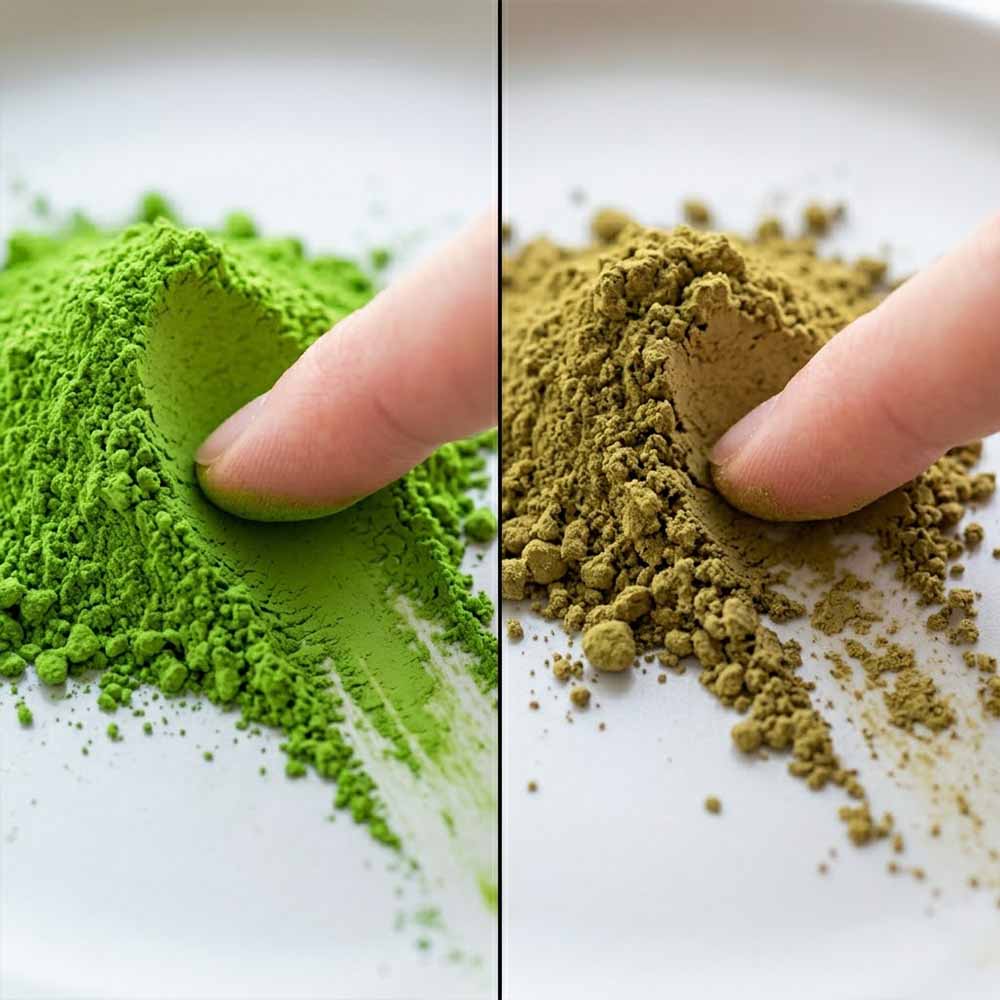
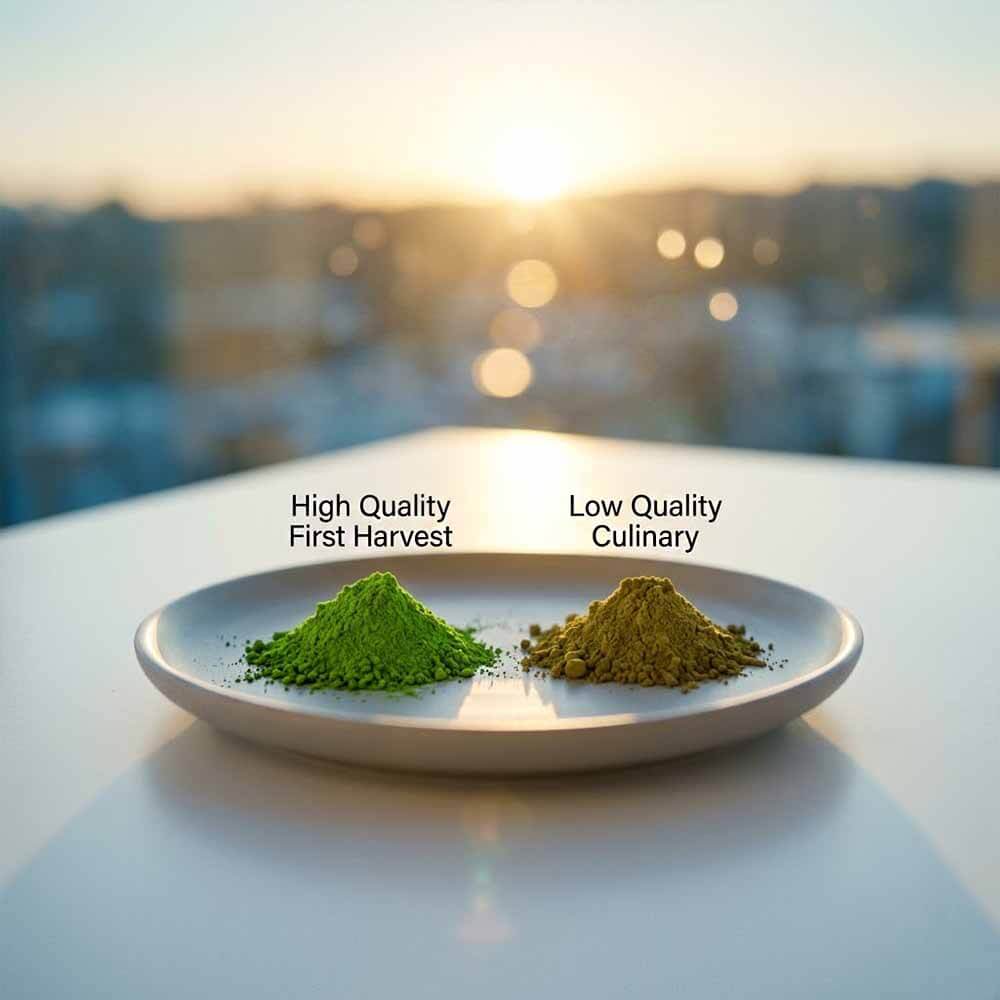
High quality green matcha tea should be electric neon green. That bright color comes from high chlorophyll levels. Chlorophyll builds up when tea plants are shaded for several weeks before harvest. The shade blocks direct sunlight, which pushes the plant to produce more chlorophyll and more L-theanine, the compound that gives good matcha its calm, focused energy.
If it looks yellow or brown, walk away. Dull, olive-colored powder tells you one of two things. The tea was not properly shaded, or it is old. Either way, it will taste harsh and bitter. That “grass clippings” flavor people complain about almost always comes from low-quality or oxidized powder.
When shopping for high quality green matcha tea, use color as your first filter. A helpful visual: place a bright ceremonial-grade powder next to a culinary-grade powder in natural light. The difference is immediate. One looks alive. The other looks tired.
Texture: The Cornstarch Rule
After color, texture is your second most reliable test for high quality green matcha tea.
Authentic Japanese matcha is stone-ground. The grinding process is slow, and a good mill produces only about 30 grams of powder per hour. That slow grind creates particles so fine they feel like baby powder or cornstarch when you rub them between your fingers.
Try this at home: rub a small pinch of matcha across a sheet of white paper. High quality green matcha tea leaves a long, smooth, even green streak. Gritty, scratchy powder that drags across the paper is a sign of fast, machine-ground low-grade tea. That texture will also make your finished drink feel rough in your mouth instead of smooth and creamy.
Why “Ceremonial Grade” Is Often a Lie
This might be the most important thing in this article.
Any company can print “ceremonial grade” on a tin. There is no legal standard, no certification body, and no regulation behind that phrase. A brand can buy cheap bulk powder, repackage it, and call it ceremonial grade. Some do exactly that. A fancy label alone does not mean you are getting high quality green matcha tea.
Here is what to look for instead:
First, find the harvest information. The best matcha comes from the first harvest of the year, also called “Ichibancha.” First-harvest leaves are the youngest and most tender. They produce the sweetest, smoothest powder. Second and third harvests are used for lower-grade culinary powders.
Second, find the origin. The two most respected growing regions for high quality green matcha tea are Uji in Kyoto Prefecture and Kagoshima in southern Japan. If the tin does not list a specific region, that is a warning sign. The best brands are proud of where their tea comes from.
These two details, harvest number and named Japanese origin, are far more meaningful than any grade label a marketing team can invent.
The Taste Test: What Good Matcha Actually Tastes Like
Good matcha is not supposed to taste like seaweed soup.
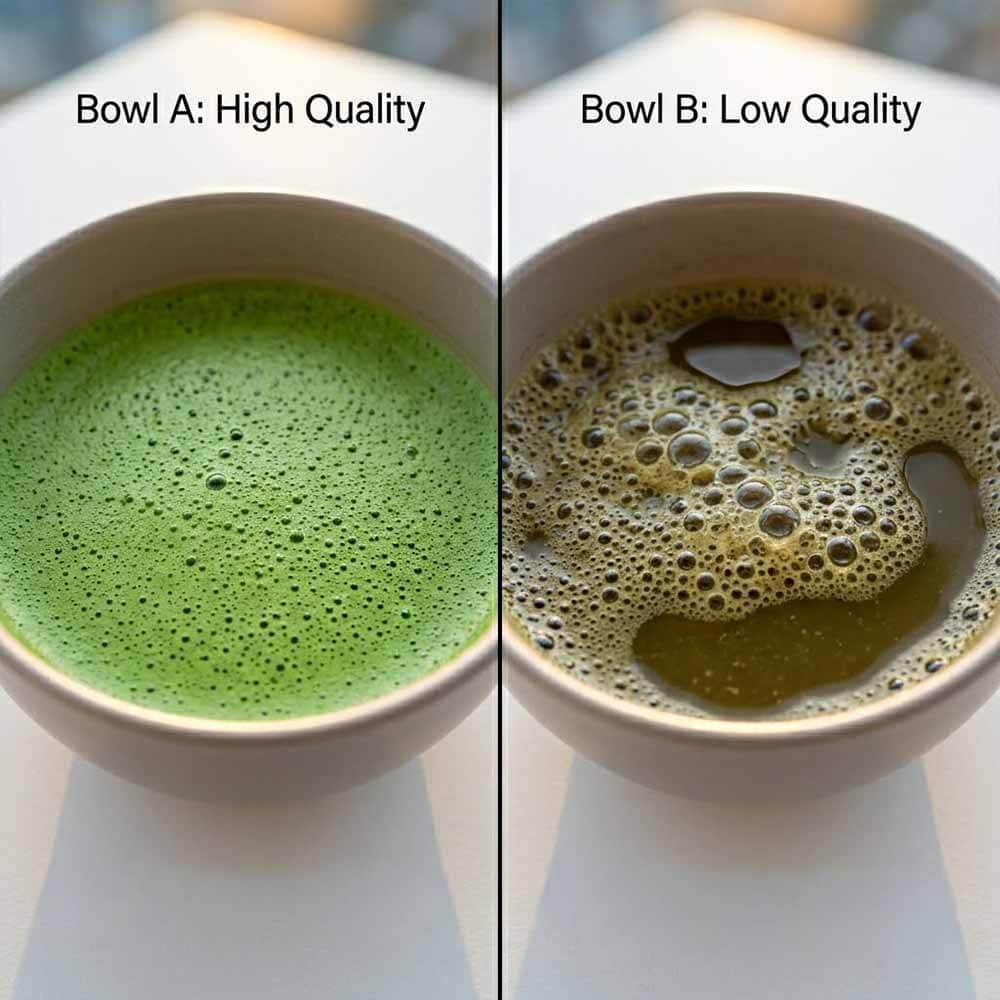
High quality green matcha tea tastes clean, slightly nutty, and has a natural sweetness. The technical term for that savory-sweet depth is umami. When you drink it, the flavor lingers pleasantly. There is a gentle bitterness at the finish, but it is mild and fades quickly.
Low-quality matcha tastes fishy, hay-like, or sharply bitter. These are signs of poor growing conditions, wrong harvest timing, or oxidation from improper storage.
There is also a foam test worth knowing. When you whisk high quality green matcha tea, it produces a thick, fine foam with tiny, stable bubbles. Those small bubbles are a sign of finely stone-ground powder with enough surface area to hold air. Low-grade matcha produces large, soapy bubbles that pop within seconds and leave a flat, thin liquid underneath.
The Right Tools Make Every Cup Better
Even the best powder in the world can be ruined by the wrong tools or the wrong technique. Getting the ritual right makes the flavor of high quality green matcha tea noticeably better.
The Bamboo Whisk (Chasen)
A bamboo whisk beats a metal milk frother every time. The flexible tines of a chasen create hundreds of tiny, uniform bubbles as they move in a quick W or M pattern through the bowl. Those fine bubbles give the finished tea a creamy, velvety texture that a metal frother cannot replicate. Metal frothers produce coarser foam and can also scratch the glaze of a ceramic bowl over time.
The Matcha Bowl (Chawan)
The shape and size of your bowl affect how easy it is to whisk properly. A wide, shallow bowl gives your wrist room to move freely without hitting the sides. Handmade ceramic bowls also hold heat better than thin mass-produced ones, which keeps your high quality green matcha tea at the right temperature while you sip slowly.
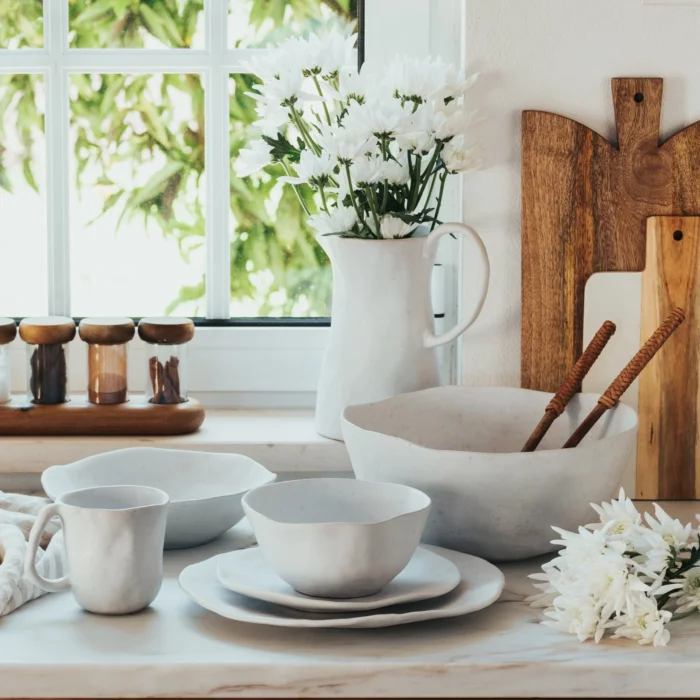
At Elfin View, our handmade matcha bowls are designed with exactly this in mind. A wide base, a comfortable hand-feel, and glazes that show off the vivid green color of quality matcha powder. The bowl you use matters more than most people realize.
The Table Setting
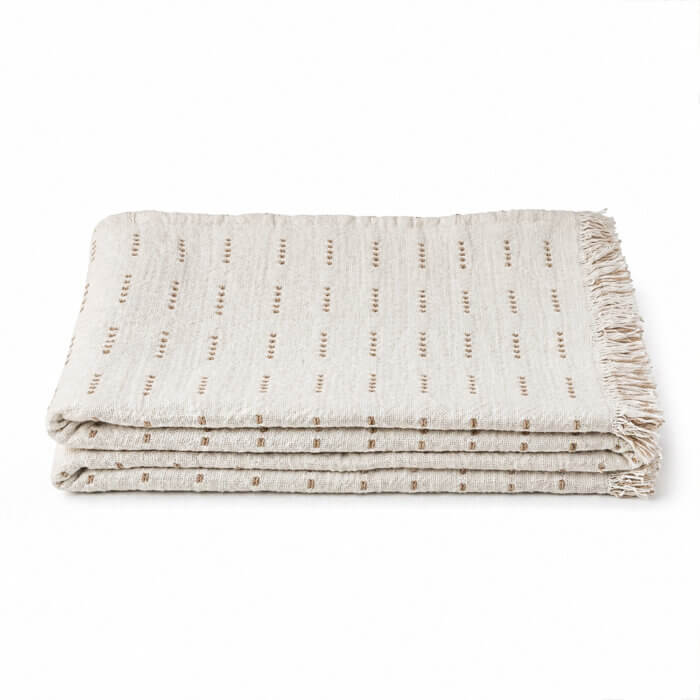
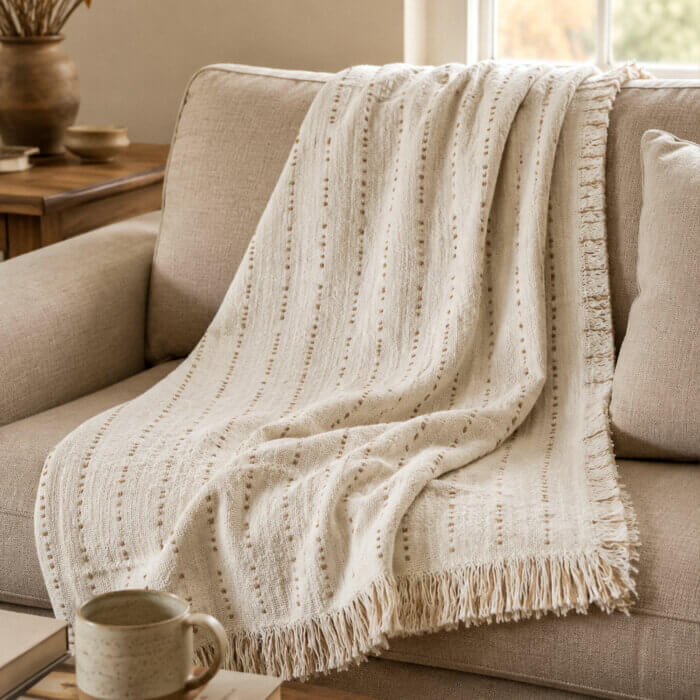
Setting up a small, intentional tea station adds to the whole experience. A textured neutral table runner is a practical and beautiful addition. It catches fine green dust that escapes during whisking, and it creates a calm, clean surface that frames the ritual. A neutral linen or woven texture pairs naturally with ceramic and wood tools without competing for attention.
Storage: How to Keep Your Matcha Alive
High quality green matcha tea behaves like fresh produce. Exposure to air, light, and heat degrades it fast. The electric green color fades. The flavor turns flat. The umami disappears.
Store your tin in the refrigerator. Cold temperature slows oxidation significantly. When you take it out, let the sealed tin come to room temperature before opening it. This prevents condensation from forming inside, which would introduce moisture and ruin the powder.
Buy small tins, not bulk bags. This is one of the most common mistakes new matcha drinkers make. A large bag seems like a better deal, but once opened, high quality green matcha tea starts losing its freshness within weeks. A small 30-gram or 40-gram tin that you finish within 4 to 8 weeks will always taste better than a bulk bag that sits half-open for months.
The two-month rule is a good guideline. If you cannot finish it in two months after opening, you bought too much at once.
Quality You Can See and Taste
Finding high quality green matcha tea comes down to three things: color, texture, and origin.
Look for electric neon green. Feel for fine, smooth powder. Read the label for first harvest and a named Japanese growing region like Uji or Kagoshima. Skip anything that leans on vague grade labels without backing them up with real details.
Once you have the right powder, give it the ritual it deserves. The right bowl, the right whisk, and a calm space to prepare it in will take an already great cup and make it extraordinary.