Imagine sinking into a soft, warm embrace that melts away your stress and tension. That’s the essence of restorative yoga, a gentle practice that rejuvenates both body and mind. As someone who discovered restorative yoga during a particularly stressful time in my life, I can attest to its transformative power.
Key Takeaways:
- Restorative yoga focuses on deep relaxation using props for support.
- It activates the body’s natural relaxation response, reducing stress.
- Benefits include better sleep, less pain, and improved mood.
- Suitable for all ages and fitness levels, including those with limited mobility.
- Easy to start with classes, online tutorials, or simple home practice.
What is Restorative Yoga?
Restorative yoga is a gentle, passive form of yoga that focuses on deep relaxation and healing. Unlike more active styles of yoga, such as vinyasa or power yoga, restorative yoga emphasizes stillness, comfort, and prolonged holds. The goal is to activate the body’s natural relaxation response, promoting physical and mental well-being.
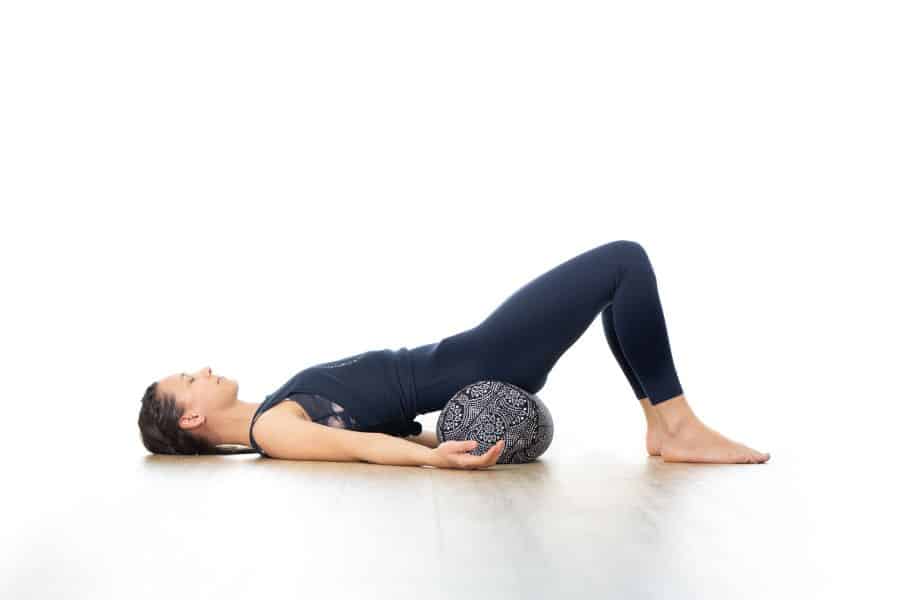
In a restorative yoga class, you’ll use props like blankets, bolsters, blocks, and straps to support your body in various poses. These props allow you to hold positions for extended periods, typically 5 to 20 minutes, without strain or effort. This extended, supported relaxation is the key to restorative yoga’s healing power.
The Origins of Restorative Yoga
While yoga has ancient roots, restorative yoga as we know it today is a relatively modern development. It was pioneered by B.K.S. Iyengar, a renowned Indian yoga teacher who recognized the need for a practice that could help people recover from illness, injury, or stress.
Judith Hanson Lasater, a student of Iyengar, further developed and popularized restorative yoga in the West. Her book, “Relax and Renew: Restful Yoga for Stressful Times,” has become a cornerstone text for restorative yoga practitioners and teachers alike.
The Science Behind Restorative Yoga
Restorative yoga isn’t just about feeling good. It has a solid scientific foundation. This practice activates the parasympathetic nervous system, often referred to as the “rest and digest” system. When this system is engaged, it triggers a cascade of physiological changes in the body:
- Heart rate slows down
- Blood pressure decreases
- Digestion improves
- Immune function gets a boost
- Stress hormone levels, particularly cortisol, decrease
Research has shown that regular practice of restorative yoga can lead to significant reductions in stress and anxiety levels. A study published in the Journal of Alternative and Complementary Medicine found that participants who practiced restorative yoga for 10 weeks experienced a 30% reduction in symptoms of depression and a 50% reduction in anxiety symptoms.
Key Elements of Restorative Yoga
1. Comfort and Support
In restorative yoga, comfort is paramount. The use of props ensures that your body is fully supported, allowing for complete relaxation. This emphasis on physical comfort enables your body to release tension and your mind to let go of stress.
2. Breath Awareness
Conscious breathing plays a crucial role in restorative yoga. By focusing on slow, deep breaths, you can further activate the relaxation response in your body. Some practices incorporate specific pranayama (breathing) techniques, such as diaphragmatic breathing or alternate nostril breathing.
3. Mindfulness and Meditation
Restorative yoga often includes elements of mindfulness and meditation. As you hold poses for extended periods, you’re encouraged to observe your thoughts and sensations without judgment. This mindful awareness can help reduce anxiety, improve emotional regulation, and enhance overall well-being.
Common Restorative Yoga Poses
Here are some popular restorative yoga poses you might encounter in a class:
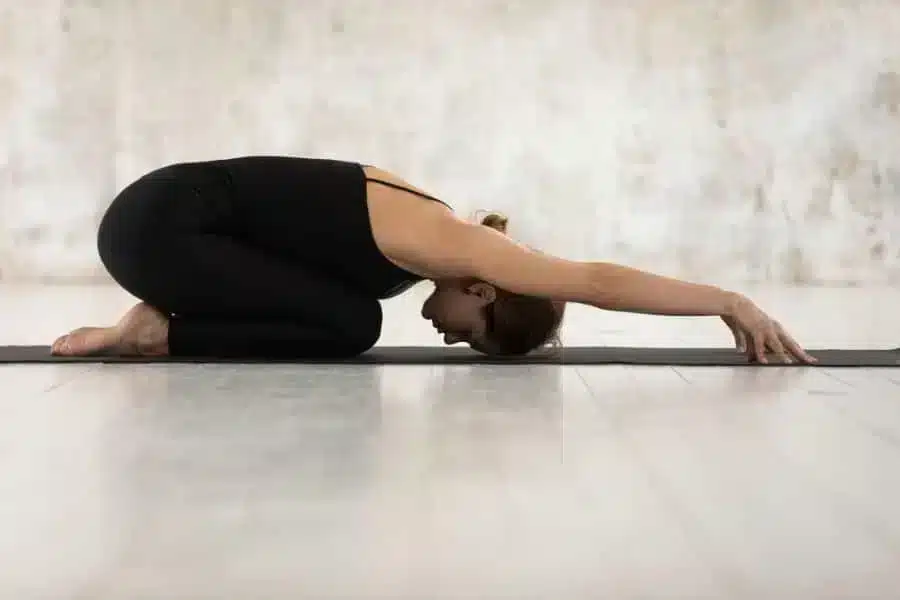
- Supported Child’s Pose (Balasana): This pose promotes relaxation and can help relieve back pain.
- Legs-Up-the-Wall Pose (Viparita Karani): This inverted pose can help reduce swelling in the legs and feet, and may alleviate mild backache.
- Reclined Bound Angle Pose (Supta Baddha Konasana): This pose opens the hips and can help relieve menstrual discomfort.
- Supported Savasana: The ultimate relaxation pose, supported savasana allows for complete rest and rejuvenation.
- Supported Forward Fold (Paschimottanasana): This pose can help stretch the back and hamstrings while calming the nervous system.
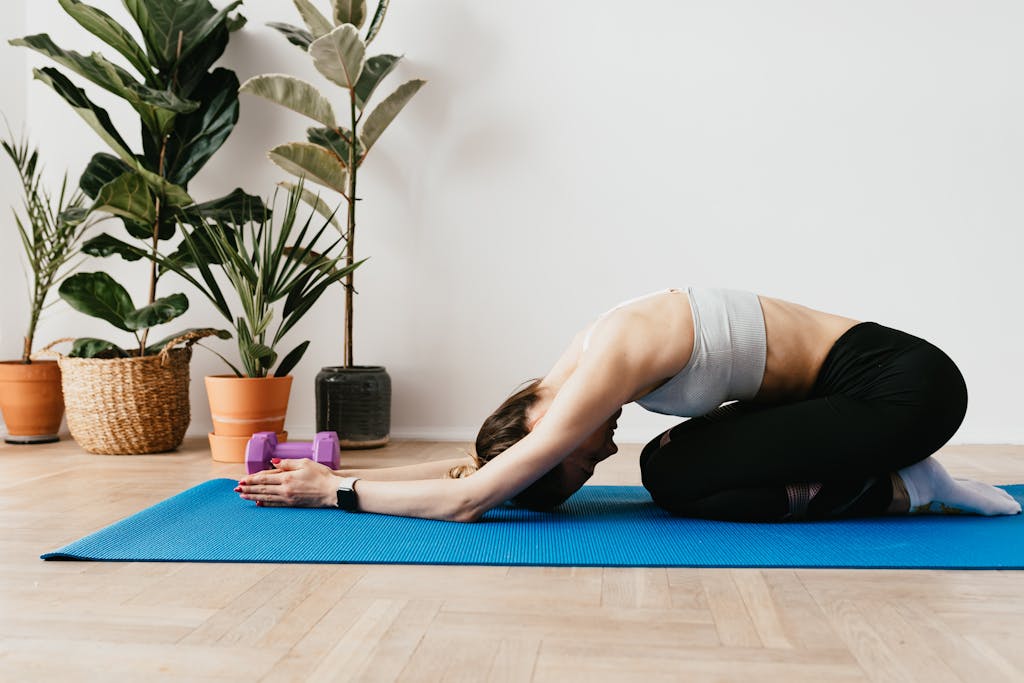
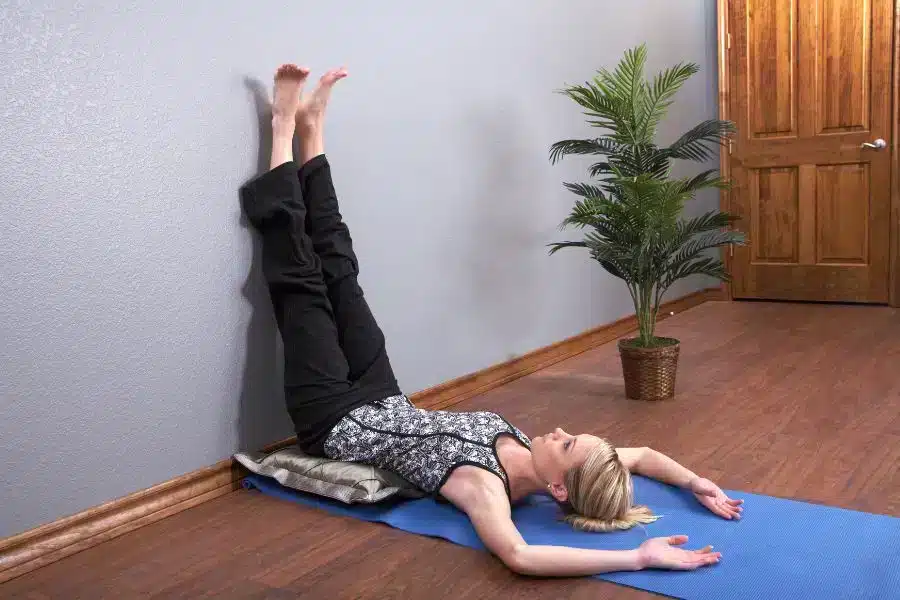
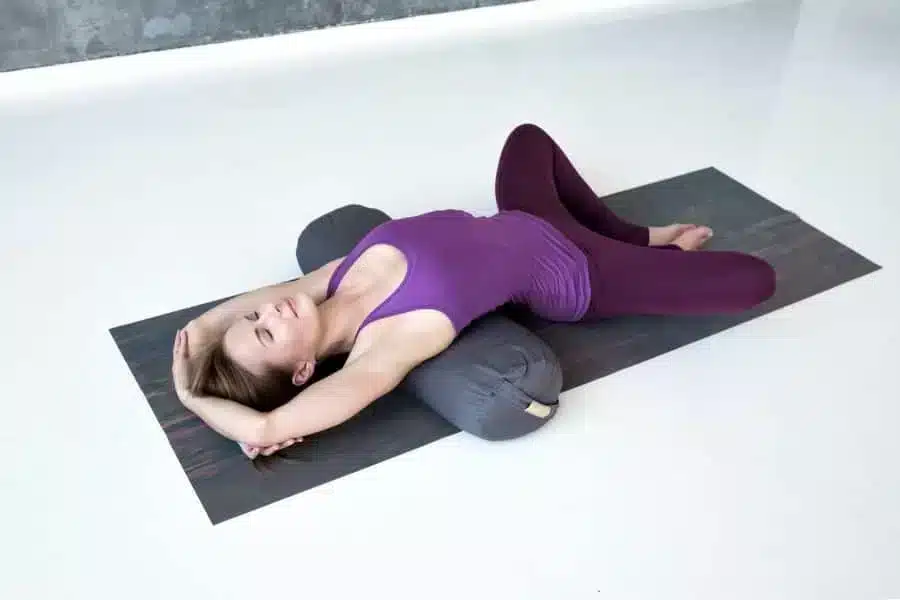
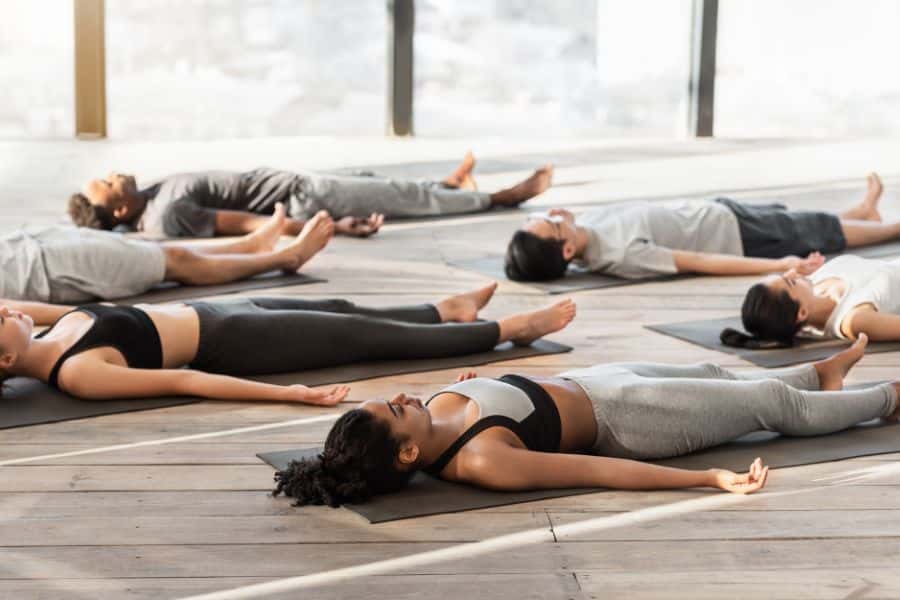
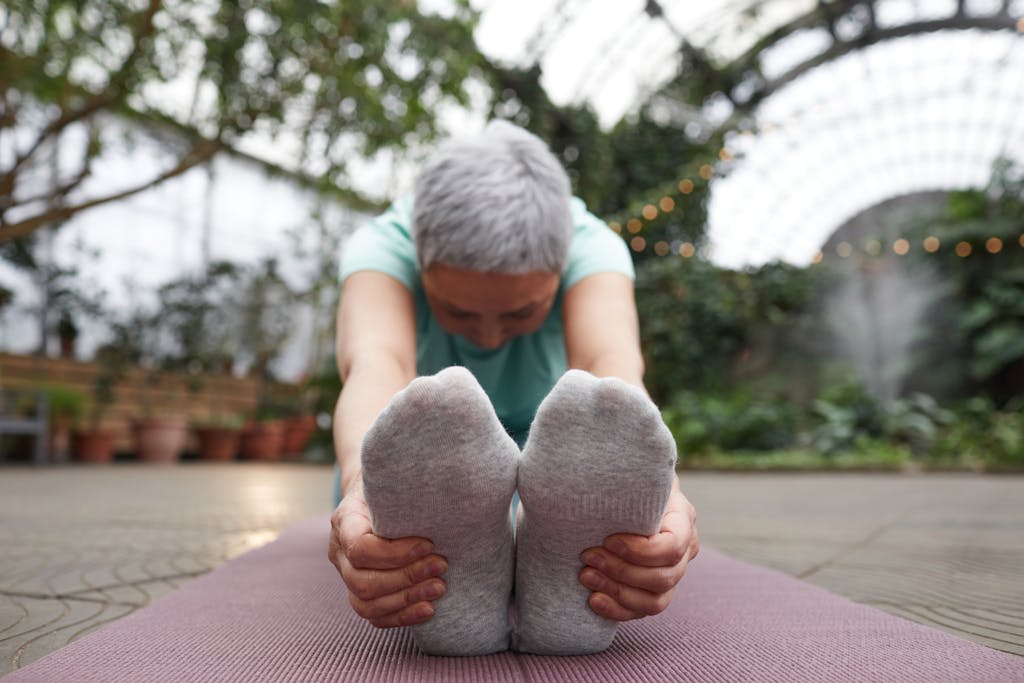
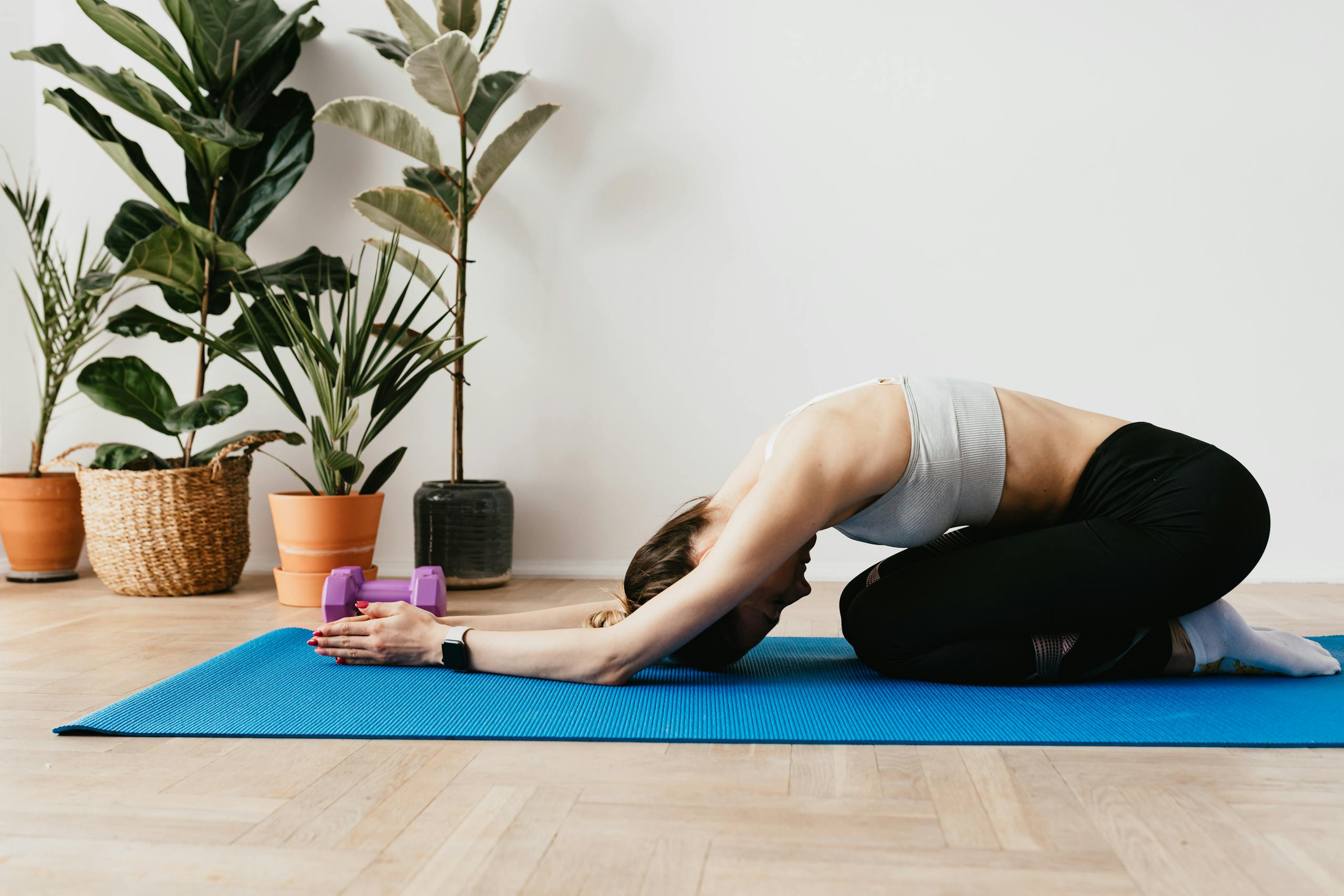
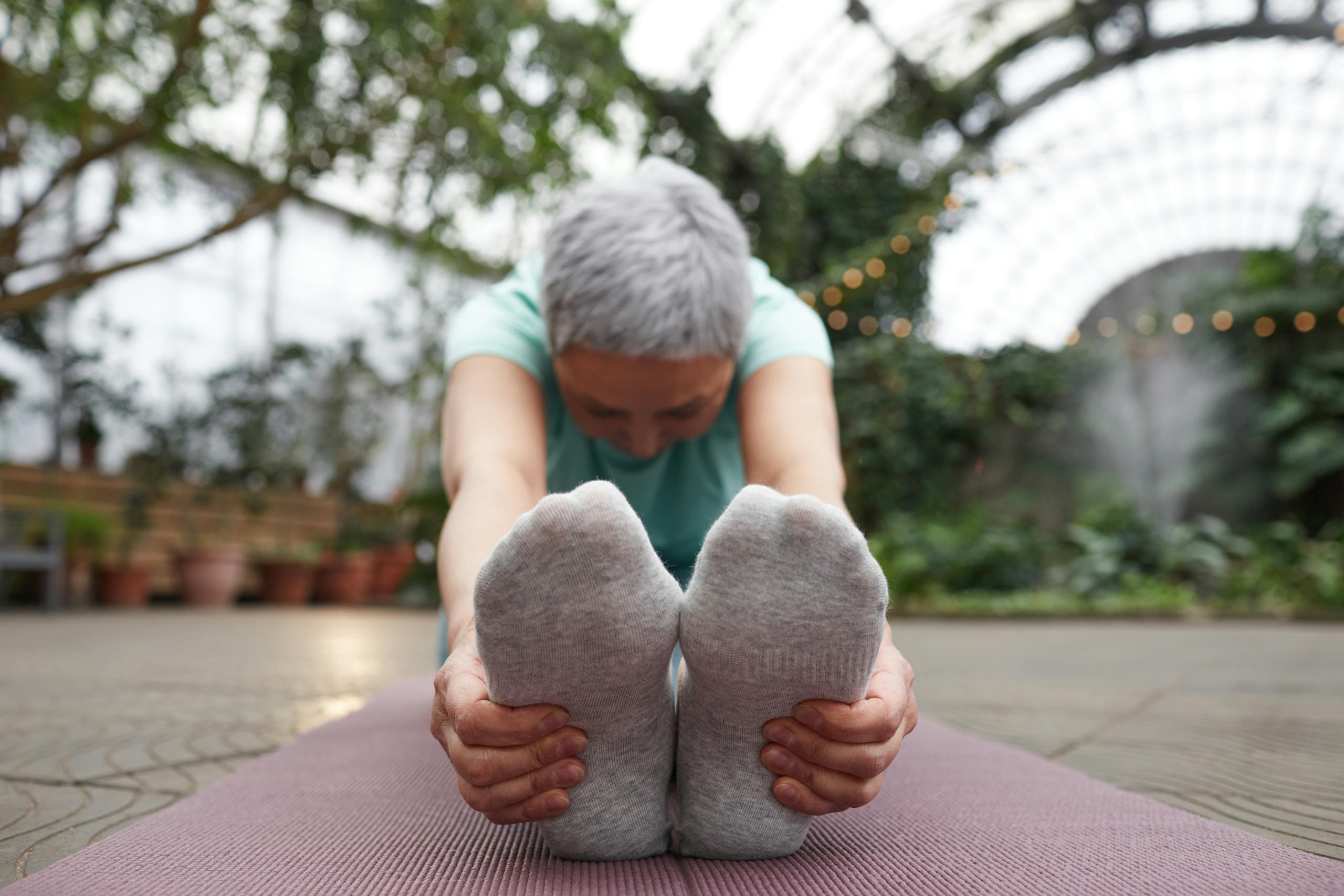
Each of these poses uses props to support your body in a position that promotes relaxation and healing. Remember, in restorative yoga, less is often more. The goal is to find a position where you can completely let go and relax.
Benefits of Restorative Yoga
The benefits of restorative yoga extend far beyond the yoga mat. Regular practice can lead to:
- Improved Sleep Quality: By activating the relaxation response, restorative yoga can help you fall asleep faster and enjoy deeper, more restful sleep.
- Reduced Chronic Pain: The gentle, supported poses can help alleviate various types of chronic pain, including lower back pain and fibromyalgia symptoms.
- Better Stress Management: Restorative yoga provides tools for managing stress more effectively in daily life.
- Enhanced Mood and Emotional Well-being: Regular practice can help reduce symptoms of anxiety and depression.
- Increased Flexibility and Range of Motion: The long, gentle holds can improve flexibility over time without strain or effort.
- Improved Digestion: The activation of the parasympathetic nervous system can enhance digestive function.
- Boosted Immune Function: Stress reduction through restorative yoga can lead to improved immune system function.
Who Can Benefit from Restorative Yoga?
One of the beautiful aspects of restorative yoga is its accessibility.
It can be beneficial for:
- Athletes looking for a recovery practice
- Individuals dealing with chronic illness or injury
- People experiencing high levels of stress or anxiety
- Those recovering from surgery or medical treatments
- Pregnant women (with doctor’s approval)
- Elderly individuals with limited mobility
- Anyone seeking deep relaxation and stress relief
Restorative yoga can be adapted to suit individual needs and limitations, making it truly a practice for everyone.
Getting Started with Restorative Yoga
If you’re interested in exploring restorative yoga, here are some steps to get started:
- Attend a Class: Look for restorative yoga classes at local yoga studios or community centers. Experiencing the practice with a trained instructor can help you learn proper alignment and prop usage.
- Try Online Tutorials: There are many online resources, including video tutorials and guided sessions, that can introduce you to restorative yoga.
- Invest in Props: While not strictly necessary, having your own props can enhance your home practice. Basic props include a yoga mat, a couple of blankets, a bolster, and two yoga blocks.
- Start Small: Begin with short sessions, perhaps 10-15 minutes, and gradually increase the duration as you become more comfortable with the practice.
- Be Patient: Remember, there’s no need to “achieve” anything in restorative yoga. The goal is simply to be present and allow your body to relax and heal.
Restorative yoga offers a much-needed antidote to the stress and tension of modern life. By providing a space for deep relaxation and healing, it allows us to tap into our body’s natural ability to restore balance and promote well-being.
Whether you’re seeking stress relief, improved sleep, pain management, or simply a moment of peace in your busy day, restorative yoga can be a powerful tool in your wellness arsenal. Its gentle nature and profound effects make it a valuable practice for people of all ages and fitness levels.
As you explore restorative yoga, remember that it’s not about perfecting poses or pushing your limits. Instead, it’s about creating a nurturing space for yourself, where you can let go of tension, quiet your mind, and allow your body to heal. In our fast-paced world, taking time for this kind of deep relaxation isn’t just a luxury—it’s a necessity for maintaining balance and well-being.
So why not give restorative yoga a try? You might just find, as many have, that it becomes an essential part of your self-care routine, offering a path to greater peace, health, and happiness.
Restorative yoga FAQs
Is restorative yoga like Yin?
Restorative yoga and Yin yoga share similarities in using long-held, passive poses for relaxation and tension release. However, there are differences between the two practices.
Regarding intensity, Restorative yoga prioritizes deep relaxation and restoration, using props for added comfort. In contrast, Yin yoga involves mild to moderate intensity and longer holds to target deep connective tissues.
The primary purpose of Restorative yoga is to promote relaxation and reduce stress, while Yin yoga aims to increase flexibility and improve joint health.
Restorative yoga commonly uses props for full support and tension release, whereas Yin yoga involves fewer props and focuses on targeted stretching.
Lastly, Restorative yoga encourages a passive approach to tranquility, while Yin yoga involves breath engagement and subtle movements.
Does restorative yoga count as exercise?
Restorative yoga is a gentle exercise focusing on relaxation, stress reduction, and balance. It improves flexibility, relieves muscle tension, and promotes a calm mind. While not as intense as other workouts, it complements a well-rounded fitness routine.
In conclusion, restorative yoga focuses on relaxation and achieving a deep sense of calm. By holding poses for extended periods with the support of props, such as blocks, blankets, and bolsters, restorative yoga creates a soothing and nurturing experience.
It differs from regular yoga by prioritizing relaxation over strength and flexibility.
The benefits of restorative yoga include stress reduction, mood enhancement, pain relief, improved sleep, and increased flexibility. Practicing restorative yoga 1-2 times per week is recommended to balance a busy lifestyle and complement other workouts.
Whether done in the morning or evening, restorative yoga offers a space for self-care and rejuvenation.
So, embrace the comfort of props, find a suitable practice frequency, and enjoy the stimulating effects of this calming yoga style.