
Sustainable living means using resources in a way that reduces our harm to the environment.
It’s crucial because our resources aren’t infinite. The waste we generate negatively impacts our air, water, soil, and wildlife.
In this article, we’ll talk about personal choices and bigger societal changes. We’ll discuss everyday decisions like shopping, eating, and waste habits.
We’ll also explore how communities, businesses, and governments can promote sustainability.
Key Points:
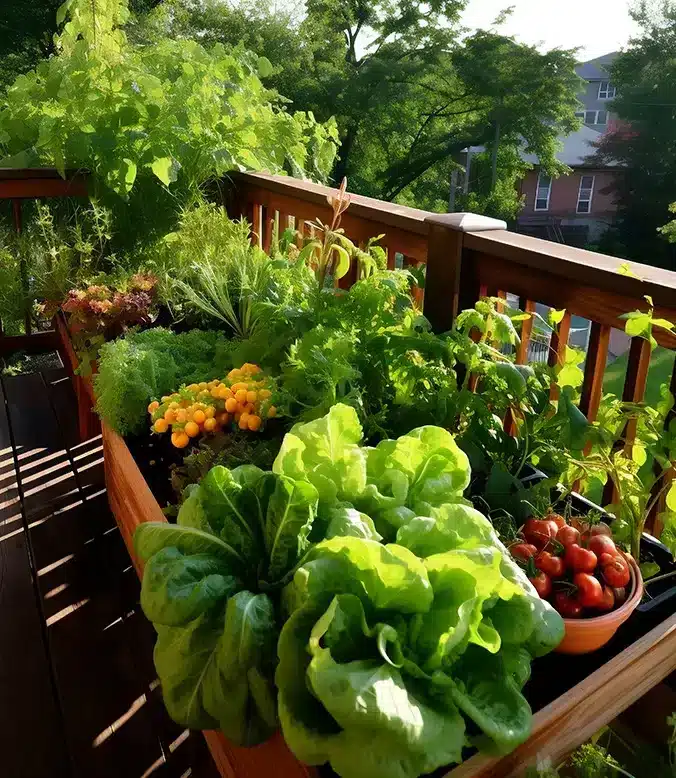
Sustainable Eating Habits
First off, let’s talk about going local. When we buy food from our neighborhood farmers, we’re not just supporting small businesses. We’re also helping the environment!
Local food doesn’t need to travel as far, so it saves on transportation emissions. Plus, it’s often fresher and tastier. So, buying local is a win-win!
Next up, organic foods. These are foods grown without synthetic pesticides or fertilizers. It is great for our soil, water, and the living critters on our farms. Plus, some folks find that organic foods taste better. They can be pricier, but many people find the benefits worthwhile.
To summarize, reducing meat consumption and elevating vegetable intake is imperative. Raising livestock uses many resources and contributes to greenhouse gas emissions. Eating more plant-based meals can reduce these impacts. And hey, veggies and grains can be really delicious and nutritious too!
Switching off lights
Unplugging devices and using energy-efficient appliances can reduce energy use. It helps reduce reliance on fossil fuels and greenhouse gas emissions. Plus, it can save you money on your energy bill.
Consider renewable energy sources, too, like solar or wind power. They’re called “renewable” because they don’t run out like coal or gas. Using them helps protect our planet and its resources.
So, let’s recap. Buying local food helps reduce transportation emissions and supports our local farmers. Organic foods are kinder to our soil, water, and wildlife.
Eating more plants and less meat can drastically reduce our carbon footprint. And lastly, being smart about our energy use helps conserve our resources and combat climate change.

Flip the switch
Flip the switch,” they say, and it’s more important than you might think. Turning off unused electronics saves you a surprising amount of energy.
It helps reduce your carbon footprint and save you a few bucks on your energy bill. Not too shabby.
Now, let’s talk about solar power. It’s a type of renewable energy that comes straight from the sun.
How cool is that? Solar energy doesn’t produce greenhouse gases, and it’s unlimited as long as the sun’s shining. Plus, with the right setup, you could generate enough power for your home.
Next, energy-efficient appliances. They use less electricity to do the same job as regular appliances. It means fewer fossil fuels burned and less pollution. And yes, they can save you money in the long run. Good for the planet, good for your wallet.
Finally, let’s not forget about water. Conserving water is a crucial aspect of a sustainable home.
It helps maintain our limited freshwater resources, which may be scarcer than you imagine. Therefore, promptly fixing leaks, reducing shower times, and only running full loads in your washing machine and dishwasher are all smart moves for water conservation.
Water Conservation
First off, let’s consider our showers. Did you know cutting just a few minutes from your shower can save gallons of water?
Imagine the difference that could make over a year! So next time you hop in, try to be speedy. Every minute less helps save water.
Rainwater harvesting is another smart move. It’s about collecting rainwater in your garden or for other outdoor uses.
It helps to reduce the demand on our water supply, and hey, it’s free water! Depending on your needs, you’ll need a rain barrel or a larger system.
Lastly, let’s talk about water bottles. Reusable ones are a must! Single-use bottles can create a lot of waste, and many end up in our oceans.
Plus, refilling a reusable bottle is cheaper in the long run—a double win for you and our planet.
Sustainability in everyday life | Video
Reduce, Reuse, Recycle
Thrift shopping is like treasure hunting. You never know what you’ll find! It reduces demand for new items, saving resources and reducing waste . Plus, you can find some unique pieces while saving money. How fun is that?
Now, let’s talk about incorporating DIY repurposing and upcycling into your sustainable wardrobe.
This concept is all about breathing new life into items that might otherwise be discarded.
For instance, you could transform old jars into stylish accessories for your wardrobe or turn worn-out T-shirts into trendy tote bags. It’s all about showcasing your creativity and resourcefulness in sustainable fashion.
Finally, recycling. It’s the process of taking waste and turning it into new products.
Sustainable shopping goes hand in hand with recycling. Materials like paper, plastic, glass, and metal can often be recycled. This practice reduces the need to extract and process new materials, which in turn saves energy and lessens pollution.
Sustainable Transportation
Firstly, biking or walking is super healthy, and it’s great for the environment too.
When you go by foot or pedal power, you’re not burning any fossil fuels, so it’s a zero-emission way to travel. Plus, it’s a great way to fit some exercise into your day.
Next up, carpooling. Sharing rides with others can significantly cut down on the amount of pollution produced.
It reduces traffic, saves on parking spaces, and can even help you save money on gas. So it’s a pretty cool option if you’re heading the same way as a friend or coworker.
Lastly, public transportation. Buses, trams, and trains carry a lot of people at once, making them more efficient than everyone driving separately. They often run on set routes and schedules, making them a reliable choice.
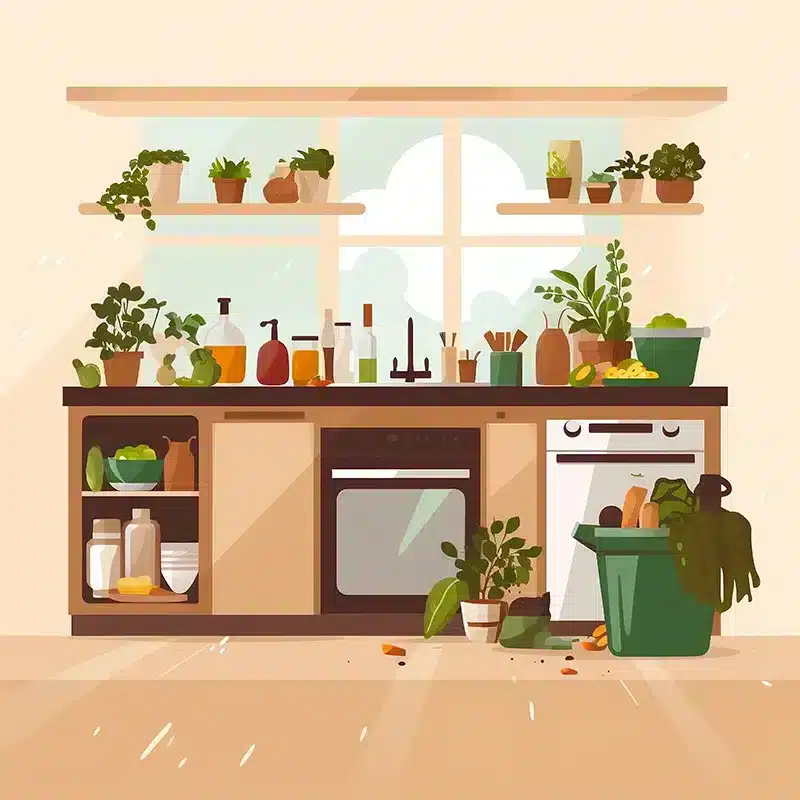
Green Home and Garden
First, consider a kitchen garden. Growing veggies, herbs, or fruit can be very rewarding.
Not only do you get fresh, organic produce, but you also cut down on packaging and food miles. Plus, gardening can be a fun and relaxing hobby.
Now, onto composting. It can turn kitchen scraps and yard waste into nutrient-rich compost. Instead of going to the landfill, these materials return to the soil to help new plants grow. It’s like nature’s recycling!
Lastly, eco-friendly cleaning products. Many traditional cleaners have harsh chemicals that can harm us and our waterways. Eco-friendly options are safer for our health and the environment. Plus, they can work just as well.
A Roadmap to Sustainable Living: Key Steps and Practices
| Sustainable choices | Our daily lives |
|---|---|
| Sustainable Eating | Buying Local, Organic Choices, Vegetarian or Vegan Lifestyle |
| Smart Energy Usage | Turning off Unused Electronics, Solar Energy, Energy-efficient Appliances |
| Water Conservation | Shorter Showers, Rainwater Harvesting, Using Reusable Water Bottles |
| Reduce, Reuse, Recycle | Thrift Shopping, DIY Repurposing, Recycling |
| Sustainable Transportation | Biking/Walking, Carpooling, Public Transportation |
| Eco-friendly Home Practices | Kitchen Garden, Composting, Eco-friendly Cleaning Products |
| Mindful Shopping | Say No to Single-Use, Shop Smarter, Ethical Buying |
Say no to single-use
First, say no to single-use plastics. Plastic bags, water bottles, and straws can take hundreds of years to decompose. So, try to choose reusable options whenever you can. It’s a small change with a big impact!
Next, let’s talk about shopping smarter. A lot of products come with extra packaging that just ends up in the trash. So, look for fewer packaging items that can be recycled or composted. Every little bit helps!
Lastly, ethical buying. When we choose fair-trade and ethical brands, we support better conditions for workers and sustainable farming practices. So, we can feel good about these purchases.
We’ve chatted about a lot of ways to live more sustainably. From the food we eat and the energy we use to the water we save, the way we travel, and even how we shop – every little change helps!
And it’s not just good for the planet. These changes can also be good for our health, our communities, and our wallets.
But the best part? Every step you take on this journey makes a difference. So don’t worry if you can’t do everything all at once. Just start where you can, and take it one step at a time.
So, are you ready to start your sustainable living journey? Whether planting a kitchen garden, turning off the lights, or choosing a reusable water bottle – every step counts.
Let’s make a positive impact, one sustainable choice at a time!
Sustainable Living – FAQs
What makes sustainable living?
Sustainable living is a lifestyle that aims to reduce an individual’s or society’s use of the Earth’s natural resources. It involves habits and practices like recycling, reducing waste, using renewable energy sources, and making choices that have minimal impact on the environment.
What is the most sustainable lifestyle?
The most sustainable lifestyle would involve practices like minimizing waste, eating plant-based foods, reducing energy consumption, using public transportation or carpooling, shopping locally, and using products made from recycled or renewable materials.
It varies from person to person and region to region based on local resources and personal circumstances.
Why is it hard to live sustainably?
Living sustainably can be challenging because it often involves changing established habits and making choices that might be less convenient.
Additionally, sustainable products and services can sometimes be more expensive or less readily available. Society’s current infrastructure and economic systems also tend not to support sustainable choices.
What is the most unsustainable thing?
One of the most unsustainable things is the overuse and waste of natural resources. This includes excessive consumption of water, deforestation, overfishing, and high carbon emissions from burning fossil fuels.
Single-use plastic items that aren’t recycled are another major unsustainable issue due to the pollution they cause.