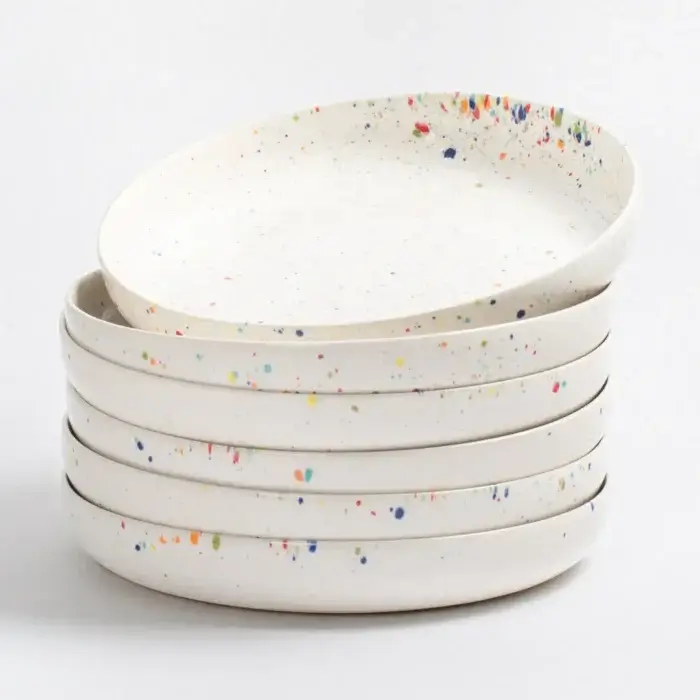
We get it; with the economy the way it is, shopping sustainably might seem like a lot. But guess what? Choosing sustainable home goods is good for the planet, communities, and even your wallet! That’s like a triple win!
Key Points

Why Bother With Sustainable Shopping?
What’s sustainable shopping? Simply put, making choices that are kind to the world when we buy things. It’s choosing products made from stuff that can be recycled or grown back.
It’s picking things made and moved in ways that save energy. And it’s about supporting companies that treat their workers well. Sustainable shopping is a super way for you and me to use our money to help our planet.
Your Purchase, Your Vote
Here’s something cool to think about. Every time you buy something, it’s like you’re casting a vote. If you choose sustainable products, you’re voting “yes” for less waste, saving resources, and shrinking carbon footprints.
Buying Less Waste
Let’s say you’re out shopping for a water bottle. You could buy a single-use plastic bottle or a reusable one. If you go for the reusable bottle, you’re saying “no” to more waste. Plus, you’ll save money in the long run.
Saving Our Resources
Sustainable shopping is all about choosing products that are kind to our planet. Take a bamboo toothbrush, for example. Bamboo grows super fast, so it’s a renewable resource. So, when you pick a bamboo toothbrush instead of a plastic one, you’re helping save resources.

Lowering Carbon Footprints
Carbon footprints? They’re the amount of carbon dioxide released when a product is made, shipped, used, and thrown away. Sustainable products aim to keep this as low as possible. Electric vehicles (EVs) are a great example. Sure, they might cost more upfront. But, in the long run, they reduce emissions and save you money on fuel and upkeep.
Supporting Fairness and Ethical Practices
When we choose sustainable products, we also say “yes” to fair trade and ethical labor practices. Imagine you’re buying a new T-shirt.
If you pick one from a brand that cares about fair labor and uses organic materials, you support human rights and the environment.
And here’s another way to make a difference: support local artisans. Buying fair trade and locally made goods directly contributes to the stability of these communities. It promotes a more balanced global economy and celebrates cultural diversity and craftsmanship.
For instance, consider the case of local artisans in Bali, Indonesia. These skilled craftsmen and women create beautiful, sustainable goods—from handwoven textiles to hand-carved furniture.
Sustainable Shopping Contributes to Better Health and Well-being
You know that shopping sustainably can help our planet and our pockets. But here’s another sweet deal: it can boost your health and well-being.
You see, sustainable products are often non-toxic. That means they cut down your exposure to chemicals that could harm your health.
Let’s say you’re looking to buy a new cleaning spray for your kitchen. You’ve got the regular kind and a green alternative. Choosing the green one means you’re keeping harsh chemicals out of your home.
Avoiding toxic products now could also save you from health problems. And fewer health problems mean fewer medical bills. It’s a win for your health and your savings.
But it’s not just about what’s in the products you buy. Sustainable shopping can also lead to cleaner air.
For instance, buying locally made products cut down on transportation emissions. That means less air pollution and better health for you and your community.
You Will Also Like: The Best Non-Toxic Rugs: Top 11 Picks For 2023
Experience Superior Quality and Durability
Sustainability Equals Quality
Did you know sustainable shopping often means buying better quality stuff? It’s true. Sustainable goods cost a bit more at first. But they’re usually made to last, so you get more bang for your buck over time.
Say No to the Throwaway Culture
Think about it. Let’s say you’re buying a new pair of shoes. You have two choices. One is a cheap pair that might wear out within a year. The other is a slightly more expensive pair made sustainably and built to last.
If you choose the sustainable pair, you might spend more at the start. But because they last longer, you can replace them less often. So, you save money in the long run.
It’s Not Just About Money
And it’s not only about saving money. Buying high-quality, durable goods means not contributing to the throwaway culture. You’re reducing waste and helping our planet.
Add Unique, Aesthetic Designs to Your Home
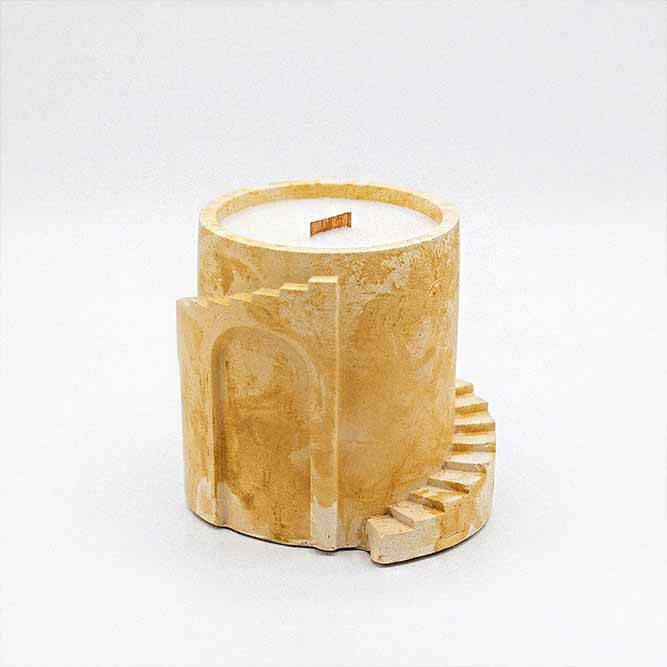
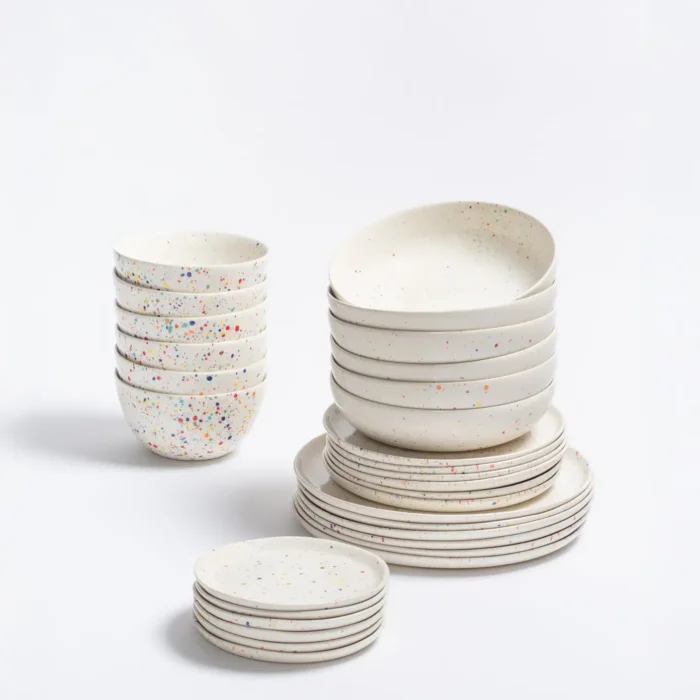
Have you ever noticed how handmade stuff just looks cooler? You get unique, beautiful designs that nobody else has.
It’s a great way to show off your style and make your home stand out.
But it’s not just about the looks. Handmade items usually last longer than the stuff you buy off the shelf.
That’s because crafters put their heart and soul into what they make. They care about quality, not just quantity.
And here’s another thing. Those handmade items? They can turn into investment pieces. That’s right. They can go up in value. You can’t say that about most things you buy.
So, by choosing handmade, you get unique designs, better quality, and an investment that might pay off. Plus, you’re supporting artisans who love what they do. It’s a win-win situation for everyone!

Similar Posts >> 11 Amazon Alternatives For Sustainable Online Shopping
A Sustainable Shopping Guide – Video
You may also Like: 9 Sustainable Wooden Bed Frames for Carefree Sleep
Economic Principles Behind Sustainable Shopping
The Concept of Externalities
Externalities are costs or benefits that affect a party who did not choose to incur those costs or benefits. Traditional goods often have hidden costs or “negative externalities,” like environmental degradation and health problems from pollution or chemicals.
Sustainable goods aim to create “positive externalities.” They contribute to environmental preservation, fair labor practices, and health benefits due to non-toxic materials. These benefits extend beyond the individual consumer to society as a whole.
The True Cost Economy
This principle advocates for prices to reflect production’s full environmental, social, and health costs. The aim is to make sustainable goods more competitive and traditional, less sustainable ones more expensive.
The Law of Supply and Demand
As more consumers demand sustainable products, more companies will supply them, increasing competition and potentially lowering prices over time.
Why Bother With Sustainable Shopping?
| Benefits and Why You’ll Love Them | Unique Features of Our Sustainable Home Goods |
|---|---|
| Contribute to a Greener Planet | Eco-friendly, renewable materials.minimal, recycled, or biodegradable packaging.Production processes are energy-efficient. |
| Promote Fair Trade and Support Local Artisans | products are fair-trade certified.We partner with businesses that uphold fair wages and safe working conditions. |
| Enjoy Better Health and Wellbeing | We say no to harmful chemicals and synthetic materials.We say no to harmful chemicals and synthetic materials. |
| Experience Superior Quality and Durability | We use only high-quality materials to ensure longevity. |
| Every product reflects the high level of craftsmanship. | |
| Make a Difference in the Community | you support companies that give back.products are inclusive and celebrate diverse cultures. |
| Add Unique, Aesthetic Designs to Your Home | Each product is a piece of art, often handcrafted, and unique.The natural beauty of materials shines in each design. |
Sustainable shopping – FAQs
What is considered a sustainable product?
A sustainable product considers and minimizes its environmental impact at every stage. It includes how it’s made, what materials are used, how it’s packaged, and what happens at the end of its life.
These products are often made from recycled or renewable resources, produced with energy-efficient methods, and can be recycled or composted when you’re done with them.
What is an example of sustainable shopping?
Let’s say you need a new pair of jeans. Instead of buying a brand-new pair, you buy one from a second-hand store.
It is an example of sustainable shopping because you’re extending a product’s life and reducing the need for new resources.
Another example is choosing a bamboo toothbrush over a plastic one. Bamboo grows quickly and is a renewable resource, making it a more sustainable choice.
What makes a shop sustainable?
A shop becomes sustainable when considering its impact on the environment and the people involved in every aspect of its business.
It can include selling products made with eco-friendly materials, practicing energy-efficient operations, sourcing goods from fair-trade suppliers, promoting a recycling culture, and reducing waste.