Ever stood in a store, clutching a tea towel in one hand and a dish towel in the other, and thought, “What’s the real tea here?” If the whole “tea towel vs. dish towel” debate has you puzzled, you’re in the right place.
Intrigued? You should be! We’re about to unpack the mystery behind “tea towel vs. dish towel” from cultural origins to the types of material and what they’re each really good for. And let me tell you, the answers might just surprise you!
Got myths? We’re busting them. Need tips for your own kitchen? We’ve got plenty. Ready to end the “tea towel vs. dish towel” confusion once and for all? Stick with me.
Tea Towel vs. Dish Towel: Origin Story
Why is it called a tea towel?

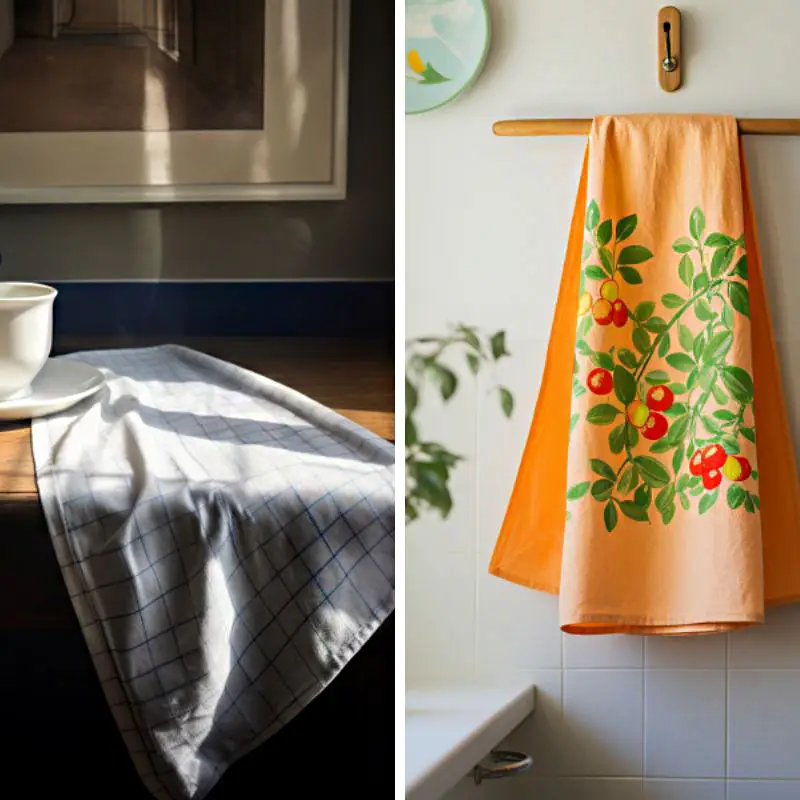
Ah, tea towels. They’ve got that British charm, don’t they? Picture it: a cozy English cottage, a steaming cup of Earl Grey, and a linen tea towel delicately draped over the oven handle.
Originating from England, these beauties were initially used to wrap around teapots or serve scones. Classy, right?
What is a dish towel?

On this side of the pond, dish towels are our jam.
They’re the unsung heroes of American kitchens, multitasking like nobody’s business.
From drying dishes to wiping spills, they’re in the thick of it all.

How Culture Shaped Their Use
So why the difference? Think about it: Brits are all about their tea time, while we Americans? We’re more the “wipe and go” type.
And that’s perfectly fine!
Our towels have evolved to suit our unique lifestyles. Isn’t it cool how something as simple as a towel can reflect cultural nuances?
Key Takeaways Table
- Why Know the Difference: Trust me, it impacts how you use them.
- Biggest Misconception: It’s not just about geography, y’all.
- Quick Tip: Keep your tea towels away from greasy pans.
- Common Myths: Like thinking all towels are created equal. Spoiler: They’re not.
Common Materials for Tea Towels
- Linen
- Cotton
- Organic blends
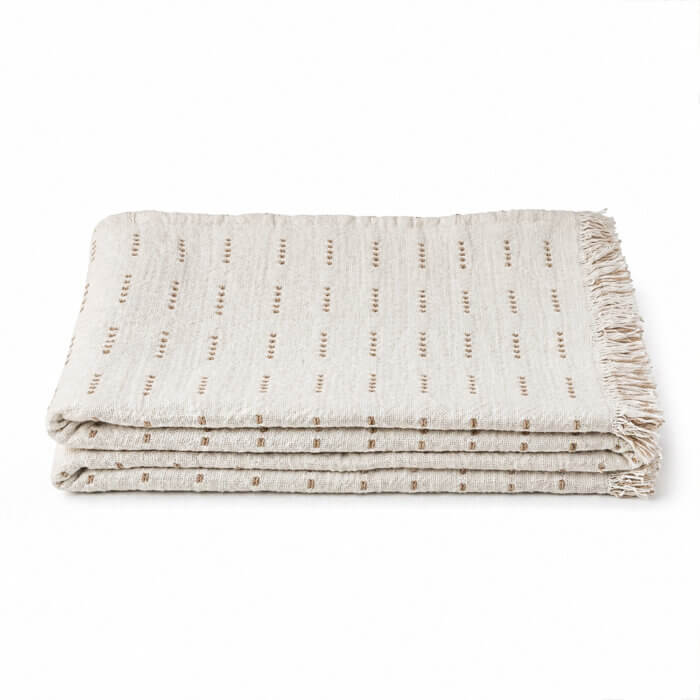
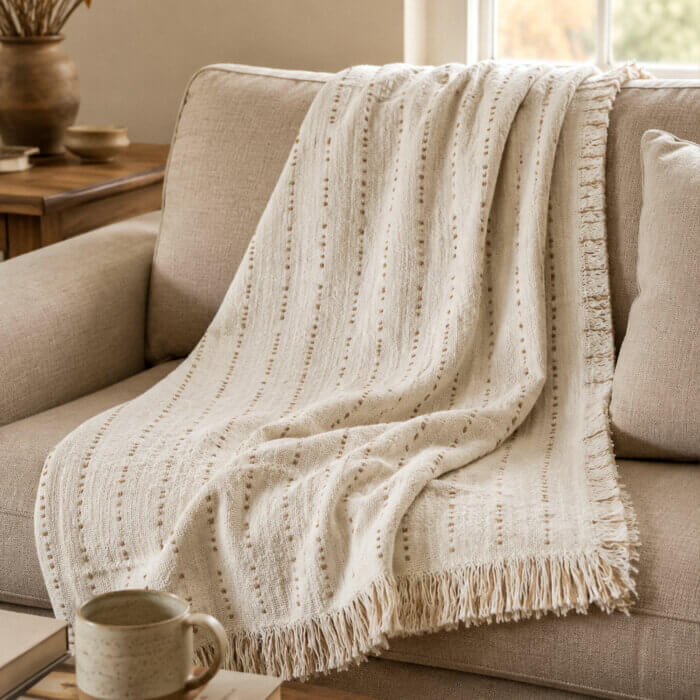
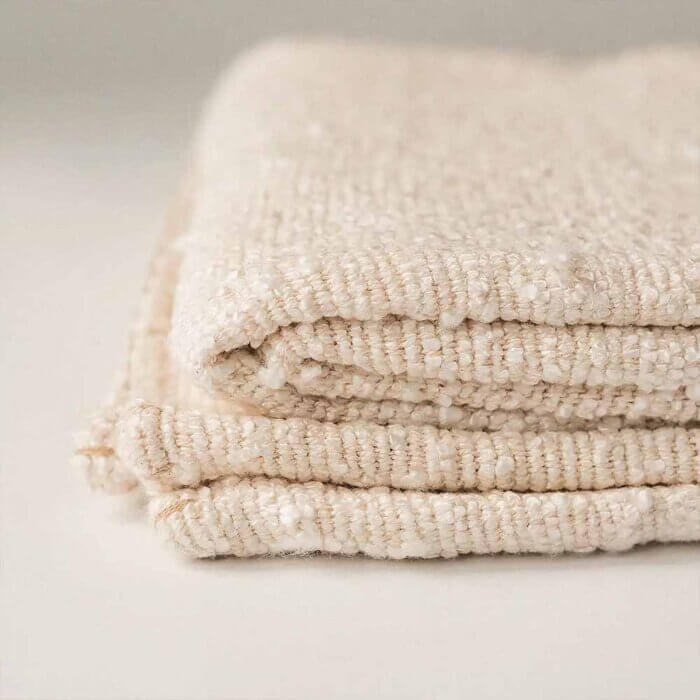
These fabrics aren’t just for show; they have a purpose. Tea towels are often made of lighter, breathable materials. Why? Because they’re designed to wrap around delicate items like fine china or freshly baked scones.
Common Materials for Dish Towels
- Terry cloth
- Microfiber
- Cotton blends
Dish towels gotta be tough. They’re the linebackers of your kitchen. You need ’em to be absorbent and durable. And that’s why they come in these hearty materials.

Also Read >> Are Tablecloths Out of Style
Why Material Affects Usage
Think about it. You wouldn’t want a dainty linen towel soaking up a major spill, right? And that bulky terry cloth towel would look out of place at high tea.
Info Snapshot Table
- Tea Towels: Elegant, usually linen or cotton
- Dish Towels: Sturdy, often in absorbent materials
- Best for: Tea Towels for serving, Dish Towels for cleaning
You Might Also Like>> 10 Stunning Table Runner Ideas to Wow Your Guests!
Primary Uses of a Tea Towel
- Serving baked goods
- Covering dough as it rises
- Decorating your kitchen space (Hey, they’re cute!)
Tea towels are the gentle souls of your kitchen. They’re not really into the heavy lifting, but they make everything look good.
Primary Uses of a Tea Towel
- Wrapping warm baked goods: Keeps that just-out-of-the-oven warmth.
- Covering rising dough: Maintains the perfect moisture level.
- Draping over the tea kettle or coffee pot: Adds a dash of sophistication.
- Kitchen décor: Because who says utility can’t be stylish?
A tea towel can even sub in as a placemat or a bread basket liner when you’re in a pinch. It’s all about versatility, honey!
Primary Uses of a Dish Towel
- Drying off dishes and cookware: Fast and efficient, especially if you’re using microfiber.
- Wiping down counters and appliances: Helps maintain a clean, hygienic kitchen.
- Cleaning up spills: The quicker, the better!
- Makeshift oven mitt: Hey, sometimes we forget where we put the real one.
Pro Tip: Keep a couple of dish towels in different spots around your kitchen. One near the sink for wet work and another near your cooking area for quick clean-ups.
The Do’s and Don’ts for Each
- Do fold your tea towel neatly when not in use; it’s all about the presentation.
- Don’t use a dish towel for serving; it’s not its best look.
- Do change out your dish towels regularly to avoid bacterial build-up.
- Don’t put that gorgeous tea towel anywhere near greasy pots and pans.
Your Towel Playbook
- Tea Towel Functions: Ideal for light tasks and serving with flair.
- Dish Towel Functions: Your go-to for any kitchen clean-up mission.
- Common Mistakes to Avoid: Like thinking one towel can do it all. Spoiler: It can’t!
Helpful Hints Table
- Storage Tip: Keep your tea towels and dish towels separate.
- Washing Tip: Check labels for care instructions to extend towel life.
- Quick Fix: A damp dish towel under your cutting board keeps it from slipping!
Material Comparison Table
Material Type Best for Tea Towel or Dish Towel? Pros Cons Linen Tea Towel Elegant, breathable Less absorbent Cotton Both Soft, absorbent Can shrink in hot wash Organic Blends Tea Towel Eco-friendly, soft May be pricier Terry Cloth Dish Towel Highly absorbent Bulky, less decorative Microfiber Dish Towel Super absorbent, quick-dry Not as eco-friendly Cotton Blends Dish Towel Durable, absorbent May lose shape over time Now, with this table, you can easily see which material best suits your needs. Whether you’re serving up some scones or tackling a mountain of dishes, there’s a towel for that!
Factors to Consider
- Absorbency: If you’re tackling spills, you want a dish towel that’s up for the job.
- Texture: Some like it rough for scrubbing, others prefer smooth for delicate china.
- Durability: Trust me, you don’t want a towel that quits on you after a few washes.
- Aesthetic: Are we going for farmhouse chic or modern minimalist?
Think of it like towel matchmaking. You’ve got needs, and there’s a towel out there that meets ’em!
How to Match Your Kitchen Style
- Rustic Vibes: Linen tea towels complement this look perfectly.
- Sleek and Modern: Go for microfiber dish towels in bold colors.
- Classic Elegance: You can’t go wrong with white cotton for either type.
- Boho Chic: Organic blends are your friends here.
Remember, your towel can be both functional and a style statement. It’s like the kitchen’s version of a little black dress!
You Might Also Like>> How Long Should a Table Runner Be?
Tips for Care and Longevity
- Wash separately to avoid color bleeding.
- Skip the fabric softener; it reduces absorbency.
- Hang them to dry when possible for that fresh-air scent.
Shopping Guide Table
- Budget-Friendly: Your best picks under $20.
- Eco-Friendly: Towels that love the Earth as much as you do.
- Chic Choices: For when your kitchen is basically a Pinterest board.
Quick Tips List
- Check for sales and bundles to save some coins.
- Feel the material if you can; your hands will tell you what they like.
- Rotate your towels regularly to keep them all in good shape.
Summing Up the Differences
Tea towels are your kitchen’s fashionistas—elegant and multipurpose, but not the heavy lifters. Dish towels? They’re the hustlers, always ready to clean up after you.
Why It’s Important to Know
Knowing your towels is like knowing your spices. Sure, you could manage without the info, but why settle for less? The right towel makes your kitchen tasks easier, more efficient, and hey, even a bit more stylish!
You Might Also Like>> 7 Top Handmade Ceramic Mugs: Elevate Your Daily Brew
Final Tips for Your Kitchen
- Keep those tea towels for the daintier tasks and special occasions.
- Your dish towels? Don’t be shy; put them to work!
- And for heaven’s sake, don’t mix them up. Each has its own lane, so let them stay in it.

Also Read >> The Ultimate Guide to Placemats for Round Tables
Final Thoughts Table
- Make It Last: Wash in cold water and air-dry when you can.
- Mix or Match: Life’s too short. Have a variety of both!
- In a Nutshell: Tea towels for show, dish towels for the dough (and all the mess that comes with it).