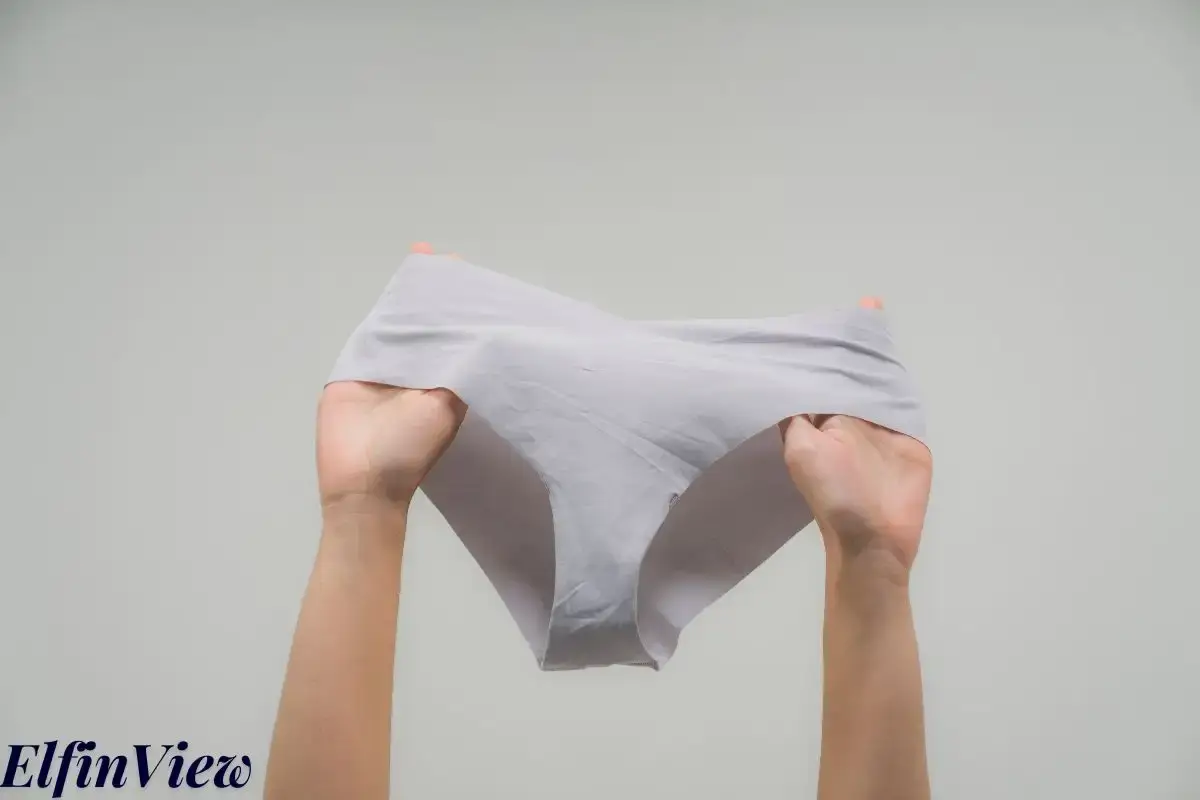
Period underwear has changed my approach to menstrual care. This innovative solution offers a comfortable, sustainable, and reliable alternative to traditional menstrual products.
If you’re considering the switch, allow me to help you find the perfect pair.

KEY TAKE AWAY:
Choose the Right Period Underwear
- Absorbency: Match your flow level.
- Style: Briefs, boyshorts, hipsters, thongs.
- Material: Cotton, bamboo, synthetics.
- Features: Moisture-wicking, odor control, leak-proof.
- Fit: Measure, consult size charts.
- Brand: Research Thinx, Knix, Modibodi.
- Care: Rinse, cold wash, air dry.
Why Choose Period Underwear?
Comfort, confidence, and eco-friendliness it what makes period underwear a significant improvement in menstrual care.
- Sustainability: Reusable, reducing waste from disposable products.
- Comfort: Designed to fit like regular underwear, with added protection.
- Confidence: Leak-proof technology keeps you secure, day or night.
- Health and Wellness: Often made from natural materials, reducing the risk of irritation.
Environmental Impact Analysis
Period underwear offers a more sustainable alternative to traditional menstrual products. A lifecycle assessment conducted by the United Nations Environment Programme (UNEP) found that reusable menstrual products, including period underwear, have a significantly lower environmental impact compared to disposable products.
The study revealed that over a year, using period underwear can reduce your carbon footprint by up to 90% and decrease waste by approximately 99% compared to disposable pads and tampons (UNEP, 2018)1.
Furthermore, a study by the Royal Institute of Technology in Stockholm discovered that if every menstruating person in Europe switched to period underwear, it could save up to 1.9 million tons of waste annually (Klintner, 2020)2.
These findings highlight the substantial environmental benefits of adopting period underwear as a sustainable menstrual care solution.
Health Studies and Reports
Studies have shown that using natural materials in period underwear can have positive effects on skin and menstrual health.
A report by the Global Hygiene Council emphasized that cotton and bamboo, commonly used in period underwear, are less likely to cause irritation and allergic reactions compared to synthetic materials found in disposable pads and tampons (Global Hygiene Council, 2019).
Cotton, in particular, is known for its breathability and moisture-wicking properties, which can help keep the skin dry and prevent the growth of harmful bacteria.
Moreover, a study published in the Journal of Women’s Health found that using reusable menstrual products, such as period underwear, can lead to a lower risk of bacterial vaginosis and urinary tract infections compared to disposable products (Smith et al., 2021).
The study suggests that the breathability and natural materials used in period underwear contribute to maintaining a healthy vaginal microbiome, reducing the risk of infections.
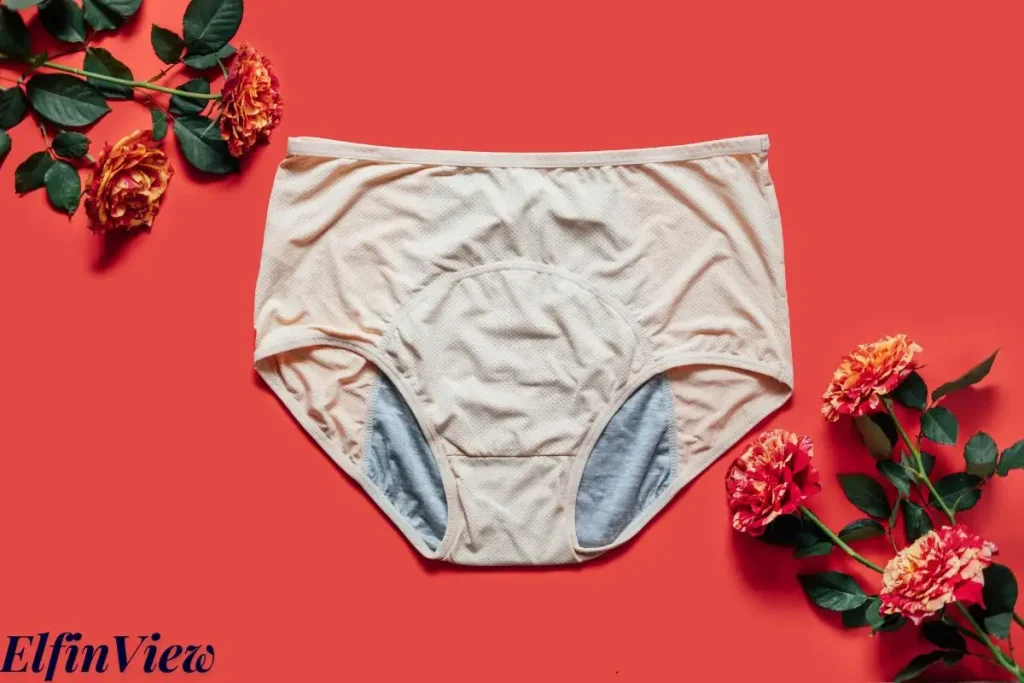
Factors to Consider3
- Absorbency Level: Match your menstrual flow with the right level of absorbency—light, medium, or heavy.
- Style and Fit: From briefs to thongs, choose a style that suits your preference and occasion.
- Material: Select materials that prioritize comfort and effectiveness.
- Additional Features: Look for features like moisture-wicking, odor control, and leak-proof barriers.
Absorbency Level
- Light Flow: For just a trickle, light absorbency has you covered.
- Medium Flow: The average day calls for medium absorbency, balancing comfort and protection.
- Heavy Flow: For those heavy days, reach for heavy absorbency and worry no more.
Style and Fit
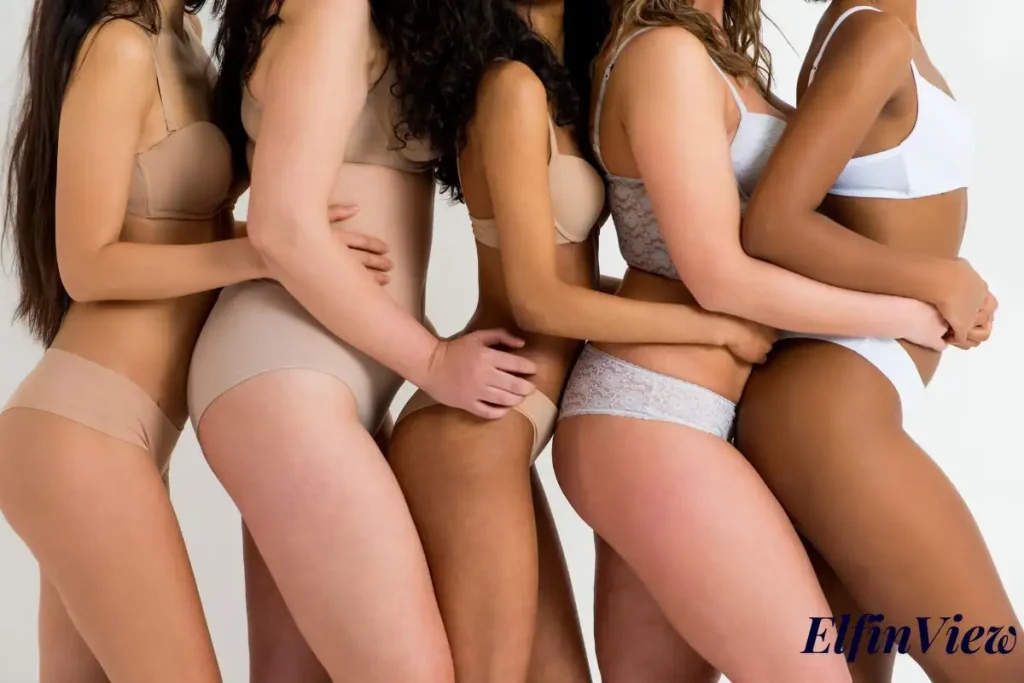
- Briefs: Maximum coverage and comfort, ideal for relaxing days.
- Boyshorts: Extra coverage, perfect under skirts or for extra privacy.
- Hipster: A blend of style and comfort, great for everyday wear.
- Thong: Even thongs can be period underwear! Ideal for lighter days or when you prefer minimal coverage.
Material
- Cotton: Known for its softness and breathability, often organic.
- Bamboo: Eco-friendly, soft, and highly absorbent.
- Synthetic Blends: Stretchy and form-fitting, offering excellent leak protection.
Additional Features
- Moisture-Wicking: Keeps you dry and comfortable.
- Odor Control: Eliminates worries about smells.
- Leak-Proof Barriers: Provides extra security to live your life fearlessly.
Popular Brands Comparison
| Brand | Absorbency Options | Material | User Feedback | Wash Durability | Lifecycle |
|---|---|---|---|---|---|
| Thinx | Light to Super | Cotton, Nylon | Positive, comfortable fit | 40+ washes | 2+ years |
| Knix | Light to Heavy | Nylon, Spandex | Comfortable, some sizing issues | 30+ washes | 1-2 years |
| Modibodi | Light to Maxi-24hrs | Bamboo, Merino | Highly absorbent, inclusive sizes | 50+ washes | 2-3 years |
| Ruby Love | Light to Maximum | Cotton, Bamboo | Inclusive sizing, less stylish | 40+ washes | 1-2 years |
*User feedback, wash durability, and lifecycle information based on customer reviews and brand information.
Global Market Analysis
The availability and popularity of period underwear vary across different markets and cultures. In North America and Europe, brands like Thinx, Knix, and Modibodi have gained significant traction, with a growing number of users adopting this sustainable menstrual care option.
In Asia, brands like Uniqlo and Muji have introduced period underwear lines, catering to the increasing demand in countries like Japan and South Korea.
However, accessibility and affordability remain challenges in some regions, particularly in developing countries where menstrual hygiene management is still a pressing issue.
NGOs and local initiatives are working to promote reusable menstrual products, including period underwear, as a sustainable and cost-effective solution.
Finding Your Perfect Fit
A snug, comfortable fit is key to ensuring your period underwear does its job.
- Measure: Take accurate measurements of your waist and hips.
- Compare: Look at the brand’s size chart to find your match.
- Trial and Error: Don’t be afraid to try different sizes or styles to find what works best.
Caring for Your Period Underwear
Extend the lifespan of your period underwear with proper care.
- Rinse: Cold water rinse post-use to prevent staining.
- Wash: Gentle cycle in cold water, avoiding fabric softener.
- Dry: Air dry to maintain the integrity of the absorbent layers.
Choosing period underwear is more than a practical decision—it’s a step towards a more sustainable, comfortable, and confident lifestyle.
With the right pair, you can transform your menstrual experience while reducing your environmental impact.
As the global market for period underwear continues to grow, more options are becoming available to cater to diverse needs and preferences.
Remember, the perfect pair is out there, ready to make your menstrual cycle more manageable and eco-friendly.
References
- United Nations Environment Programme (UNEP). (2018). Single-use plastics: A roadmap for sustainability. https://www.unep.org/resources/report/single-use-plastics-roadmap-sustainability ↩︎
- Klintner, L. (2020). The environmental impact of menstrual products: A comparative analysis. Royal Institute of Technology, Stockholm. https://kth.diva-portal.org/smash/get/diva2:1437903/FULLTEXT01.pdf ↩︎
- Medina-Perucha, L., López-Jiménez, T., Holst, A. S., Jacques-Aviñó, C., Munrós-Feliu, J., Martínez-Bueno, C., Valls-Llobet, C., Pinzón Sanabria, D., Vicente-Hernández, M. M., & Berenguera, A. (2022). Menstrual health and hygiene among women using reusable and disposable menstrual products: A qualitative study. International Journal of Gynecology & Obstetrics, 159(1), 11-19. https://doi.org/10.1002/ijgo.14310 ↩︎