Menstrual hygiene has always been a critical topic, with an array of products like pads, tampons, and menstrual cups available over the years.
However, the rise of period underwear marks a significant leap forward in managing menstrual cycles. I discovered period underwear in 2018 and quickly realized its potential to transform menstrual hygiene practices.
This guide goes into what period underwear is, its functionality, the materials it’s made from, the available styles and absorbency levels, its myriad benefits, potential drawbacks, common misconceptions, and how to care for it effectively.
What Is Period Underwear?
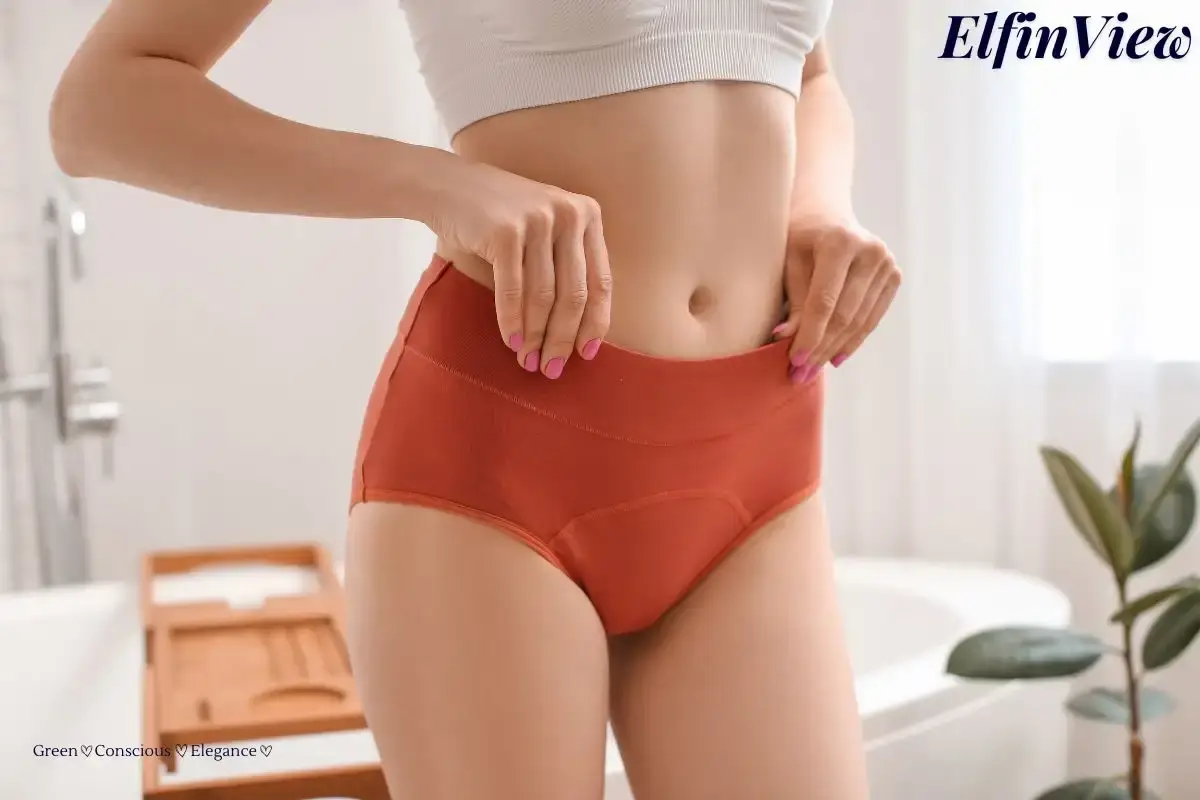
Period underwear is a type of underwear designed to absorb menstrual blood, providing a comfortable and eco-friendly alternative to disposable pads and tampons.
Unlike traditional menstrual products, period underwear is reusable and can be worn for an extended period, depending on the flow.
It looks and feels like regular underwear but with the added benefit of built-in menstrual protection.

How It Works
The secret to period underwear’s effectiveness lies in its multi-layered construction:
- Moisture-wicking top layer keeps you feeling dry and comfortable by drawing moisture away from your skin, similar to how a sponge absorbs water.
- Absorbent middle layer efficiently traps and absorbs menstrual fluid, acting like a built-in pad.
- Leak-resistant bottom layer ensures that everything stays inside, offering peace of mind. This layer acts as a protective barrier, preventing leaks like a waterproof raincoat keeps you dry.
These layers work together seamlessly, providing a reliable and comfortable alternative to traditional menstrual products. My personal experience attests to their effectiveness, even on the heaviest days.
Materials
The choice of materials is pivotal, focusing on comfort, absorbency, and leak resistance. Breathable fabrics like cotton and bamboo ensure skin comfort while offering effective moisture management alongside absorbent materials such as microfiber and polyester.
Leak-proof materials, including PUL and TPU, guarantee security, giving you the confidence to go about your day without worrying about leaks.
Initially, I was skeptical about feeling wet or uncomfortable, but these materials work wonders, making me forget I’m even on my period.
Styles and Absorbency
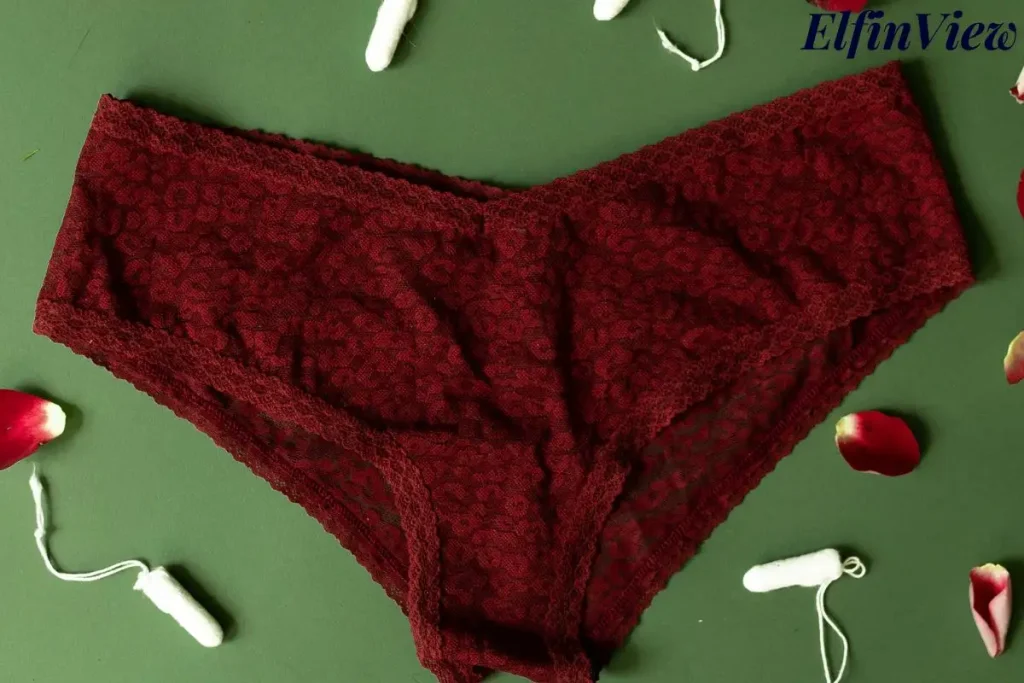
With options ranging from briefs to thongs, period underwear caters to every preference and need. Absorbency levels vary:
- Light flow for those lighter days or as a backup.
- Moderate flow for the regular days of your cycle.
- Heavy flow for overnight use or particularly heavy days.
Choosing the right style and absorbency is a matter of personal flow, lifestyle, and comfort.
The Benefits of Period Underwear
The advantages of switching to period underwear are vast:
- Comfort and discretion: They feel like regular underwear. They don’t feel like I am wearing diapers.
- Eco-friendly: A reusable option that significantly cuts down on waste. A study by the United Nations Environment Programme (UNEP) estimates that 6.3 billion tampons and 2.5 billion sanitary napkins end up in landfills or oceans each year, contributing to plastic pollution (UNEP, 2018)1.
- Cost-effective: The upfront cost is quickly offset by the savings from not purchasing disposables. A study by Schlief et al. (2021) found that using menstrual cups and reusable pads can result in annual cost savings of up to 90% compared to disposable products.2
- Health benefits: Period underwear eliminates the risk of toxic shock syndrome (TSS) associated with tampon use. TSS is a rare but serious condition caused by bacterial toxins that can occur when a tampon is left in for too long3.
One aspect I particularly appreciate is needing only one product, perhaps with a panty liner on certain days. Its discretion is invaluable, especially when sharing bathrooms.
Potential Drawbacks and Solutions
While period underwear offers numerous benefits, it’s essential to consider some potential drawbacks and their solutions:
- More frequent changes: On heavy flow days, you may need to change your period underwear more frequently compared to using a high-absorbency tampon or menstrual cup. However, many users choose to pair period underwear with other products as a backup or opt for higher absorbency models to manage heavy flow days effectively.
- Initial investment: The upfront cost of period underwear can be higher than disposable products, but it becomes more cost-effective in the long run. Consider investing in a few pairs to rotate throughout your cycle, and you’ll quickly see the financial benefits.
Despite these drawbacks, many users find that the comfort, convenience, and eco-friendliness of period underwear outweigh the limitations.
| Benefits | Drawbacks | Solutions |
|---|---|---|
| Comfort and discretion | May require more frequent changes on heavy flow days | Pair with other menstrual products for heavy flow days |
| Eco-friendliness and waste reduction | Higher upfront cost compared to disposable products | Invest in multiple pairs to rotate throughout the cycle |
| Cost-effectiveness over time | Limited absorbency compared to other menstrual products | Choose higher absorbency models for heavy flow |
| Eliminates the risk of toxic shock syndrome (TSS) |
Misconceptions about Period Undies
There are some common misconceptions about period underwear that need to be addressed:
- “They’re unsanitary”: Period underwear is designed to be washed and reused, just like regular underwear. With proper care, they remain hygienic. A study by L.A.G. Blair found that reusable menstrual products, including period underwear, can be effectively sanitized through proper washing and drying methods.4
- “They’re uncomfortable”: High-quality period underwear is made from soft, breathable materials that provide comfort comparable to regular underwear. Many users report forgetting they’re even wearing period underwear, as stated in testimonials from popular brands like Thinx and Modibodi.
- “They’re not effective”: Period underwear is designed to absorb menstrual flow efficiently, and many users find them as effective as traditional menstrual products. A study by Van Eijk et al. (2020) found that reusable menstrual products, including period underwear, have similar or better performance compared to disposable products in terms of leakage and user satisfaction5.
By addressing these misconceptions with evidence-based information and user experiences, we can help people make informed decisions about whether period underwear is right for them.
How to Care Your Period Underwear
Maintenance is straightforward:
- Wash by rinsing in cold water, then machine wash cold with gentle detergent.
- Dry by hanging or tumble drying on low heat to maintain material integrity.
- Durability: With proper care, they can last for years, offering a sustainable menstrual solution.
Period underwear is a groundbreaking step in menstrual hygiene, offering a blend of comfort, sustainability, and practicality.
Its benefits, from environmental impact reduction to cost savings and increased comfort, make it a compelling choice.
While there are some potential drawbacks and misconceptions to consider, many users find that the advantages outweigh the limitations, and solutions exist to address common concerns.
My experience with period underwear has been transformative, and I encourage anyone looking to improve their menstrual experience to consider making the switch.
References
- United Nations Environment Programme (UNEP). (2018). Single-use plastics: A roadmap for sustainability. https://www.unep.org/resources/report/single-use-plastics-roadmap-sustainability ↩︎
- Schlief, M., Wagner, E., Glos, M., & Goldmann, M. (2021). Comparative life cycle assessment of menstrual cups and reusable pads. Sustainability, 13(4), 2193. https://doi.org/10.3390/su13042193 ↩︎
- Mayo Clinic. (2021). Toxic shock syndrome. https://www.mayoclinic.org/diseases-conditions/toxic-shock-syndrome/symptoms-causes/syc-20355384 ↩︎
- Science Direct (2022). An exploratory study of the impact and potential of menstrual hygiene management waste in the UK. https://www.sciencedirect.com/science/article/pii/S2666790822000404
↩︎ - Van Eijk, A. M., Jayasinghe, N., Zulaika, G., Mason, L., Sivakami, M., Unger, H. W., & Phillips-Howard, P. A. (2020). Exploring menstrual products: A systematic review and meta-analysis of reusable menstrual pads for public health internationally. PloS One, 15(9), e0232935. https://doi.org/10.1371/journal.pone.0232935 ↩︎