Embracing sustainable home goods equates to more than just an eco-conscious choice. It means stepping into a lifestyle that enhances health, champions fair trade, fuels innovation, and bolsters community growth. Let’s take a more comprehensive look at these persuasive reasons for choosing sustainable home goods.

What Does Sustainable Living Mean?
Sustainable living means making conscious choices that prioritize the health of our planet over convenience or short-term gain. It’s all about reducing our environmental impact by minimizing waste and consumption while supporting ethical and eco-friendly practices.
Think of it this way. Imagine our earth is like a big spaceship. On this spaceship, there are limited resources available for us to use. Once we use up these resources, they’re gone. So, we have to use these resources wisely and in a way that doesn’t harm the spaceship. That’s the essence of sustainable living.
Sustainable living can encompass various aspects of life, from the food we eat and the products we buy, to how we travel and invest our money. It doesn’t mean that we must live without comforts or conveniences. Instead, it encourages us to be mindful of our actions, understand their impacts, and make changes where possible.
This could mean choosing locally grown produce to support local farmers and reduce carbon emissions from transportation. Or it could mean buying products made ethically and sustainably instead of choosing items based on price or convenience. Small actions like recycling or turning off the lights before leaving a room can contribute to sustainable living.
To live sustainably is to live in a way that respects the interconnected nature of our world, understanding that our individual choices ripple out to affect the whole planet.
Sustainable Home Goods Help Diminish Environmental Impact

The power of individual actions in minimizing environmental harm should be considered. Switching to sustainable home goods can significantly lower our overall environmental footprint.
As highlighted in a 2016 study by the Ellen MacArthur Foundation, adopting principles like recycling and reusing can decrease waste by 20%. Replacing a plastic toothbrush with bamboo might seem like a minor change. However, when magnified by the number of people making the switch, the reduction in plastic waste becomes significant. Every action counts, and each sustainable product we choose can bring us closer to a cleaner, healthier planet.
| Sustainable Home Good | Typical Non-Sustainable Equivalent | Environmental Impact Reduction |
|---|---|---|
| Bamboo Toothbrush | Plastic Toothbrush | Lessens plastic waste and can be composted after use |
| Organic Cotton Bed Linen | Conventional Bed Linen | Avoids the use of pesticides and other harmful chemicals often used in cotton farming |
| Reusable Shopping Bag | Single-Use Plastic Bag | Reduces plastic waste and helps conserve resources used in producing plastic bags |
| Stainless Steel Cookware | Non-stick Cookware | Longer lifespan reduces waste, avoids toxic chemicals released in manufacturing and usage of non-stick cookware |
| Furniture Made of Recycled Wood | Furniture Made of New Wood | Reduces deforestation and encourages recycling of wood |
It is Better for Our Health and Wellness
Choosing sustainable home goods often results in a twofold benefit — contributing to a cleaner planet and promoting personal health.
A review in the Environmental Health Perspectives established connections between the chemicals found in everyday products and various health problems.
Conventional products are often laden with such harmful substances, whereas many sustainable alternatives are created without the use of these chemicals.
Take bed linen, for example. Conventional non-organic linens often contain formaldehyde and various dyes that could potentially harm your health.
In contrast, organic linen is free from these chemicals, providing a safer and more comfortable sleep environment.
Just as it’s becoming increasingly important to fill our homes with sustainable goods, the same principle also applies to our wardrobes.
The concept of sustainable fashion is rising in popularity and is a perfect complement to the sustainable home movement.
Sustainable fashion encourages the production and consumption of clothes that respect the planet and the people involved in their creation.
This means using eco-friendly materials, ensuring fair trade and ethical labor practices, and promoting longevity over fast fashion trends.
Choosing sustainable fashion garments is a fantastic way to further reduce our environmental impact and bolster ethical manufacturing.
As with our home goods, every choice matters – each sustainable item we wear, like every sustainable item in our homes, is another step towards a healthier planet.
We get to Invest in Long-lasting Quality
Sustainable goods are synonymous with quality and durability. Many eco-friendly manufacturers prioritize the lifespan of their products, aiming to reduce the throw-away culture prevalent in our society.
Although the initial cost of sustainable products might be higher than their conventional counterparts, the long-term savings and reduction in waste make them an astute investment.
Consider a high-quality stainless steel cookware set. The upfront cost might seem steep compared to cheap, non-stick alternatives.
However, with its significantly longer lifespan — often lasting up to 20 years or more — and superior performance, the stainless steel set proves its worth over time.
Advocate For Ethical Trade and Manufacturing Practices
Sustainable choices often go hand in hand with ethical considerations. Many companies producing sustainable home goods adhere to fair trade principles, ensuring fair wages, safe working conditions, and ethical sourcing of materials.
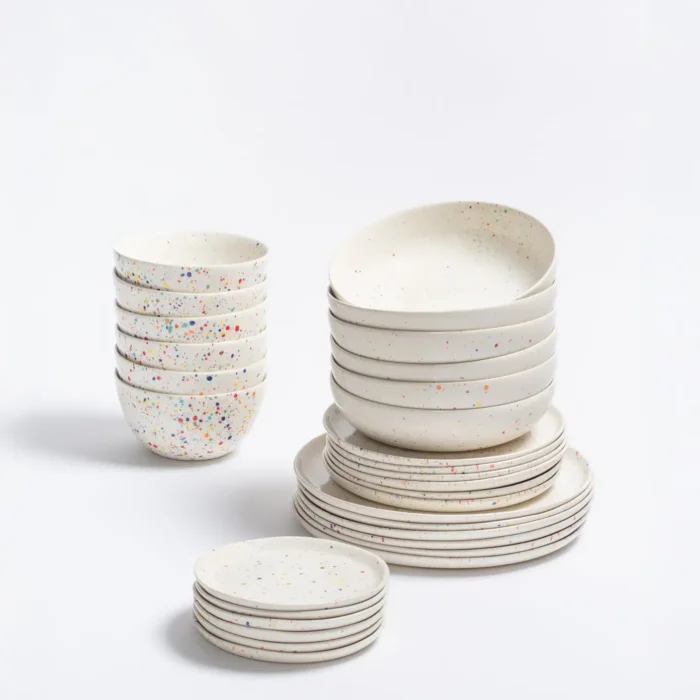
For instance, when you buy handcrafted pottery, you’re supporting a chain of fair labor practices that begins with sourcing raw materials and ends with the artist.
Each purchase is a testament to a fairer, more just world where everyone involved in the production process is treated with respect and paid fairly.
Sustainable Home Good | Country of Ethical Manufacturing | Certified Fair Trade? | Worker Benefits | Notes |
|---|---|---|---|---|
| Handcrafted Pottery | Mexico | Yes | Health insurance, fair wages | Supports traditional craftsmanship |
| Organic Cotton Linens | India | Yes | Safe working conditions, skill training | Reduction in harmful pesticides improves worker health |
| Reclaimed Wood Furniture | USA | No | Local employment, health benefits | Supports local economies |
| Recycled Glass Vases | Ghana | Yes | Health insurance, guaranteed minimum wage | Promotes glass recycling culture |
| Eco-friendly Rugs (from recycled plastic) | Turkey | No | Paid leave, fair wages | Utilizes plastic waste, reducing environmental burden |
A Market Trending Towards Sustainability
Every time we choose a sustainable product, we make a statement to the market. We indicate our preference for eco-friendly alternatives, influencing market trends and encouraging more businesses to adopt sustainable practices.
In fact, a Nielsen market report showed that products from brands with a strong commitment to sustainability grew more than four times the rate of those without.
A great example is the rise of the reusable grocery bag.
This simple, sustainable alternative to single-use plastic bags has become increasingly popular, sending a clear message to retailers about consumer preferences and driving the development of more sustainable product options.
Creativity and Innovation in Design

The path towards sustainability has unlocked a new realm of creativity and innovation in the design of home goods. Manufacturers are exploring unusual materials and techniques to create unique, appealing, and eco-friendly products.
Rugs made from recycled plastic bottles are a perfect example of this innovative trend. Despite being crafted from waste material, these rugs can be surprisingly stylish and durable, adding a touch of eco-chic to any interior.
These designs demonstrate that sustainability and style can indeed coexist, fostering a creative revolution in the home goods market.
Preserve Natural Resources and Biodiversity
The choice of sustainable home goods plays a crucial role in protecting our planet’s valuable resources and biodiversity. A report by the United Nations states that responsible sourcing of wood could lead to a 20% reduction in global deforestation.
When you select furniture made from sustainably sourced wood, you’re not only getting a beautiful, durable product. You’re also helping to reduce deforestation and protect the habitats of countless species.
Empowering Local Economies and Communities
Finally, the sustainable home goods industry often contributes significantly to local economies.
Companies that prioritize sustainability frequently source from local suppliers or employ local artisans, thus stimulating economic growth within their communities.
Take, for example, a handwoven basket purchased from a local artisan. This transaction supports the artisan’s livelihood and injects money back into the local economy. It also adds a layer of personal connection to the objects in your home, turning them into items with a story to tell.
In conclusion, the decision to opt for sustainable home goods resonates positively across various aspects of life. From enhancing personal health and well-being to advocating for ethical practices, driving innovative design, and supporting community development — every sustainable choice holds the power to shape a greener, fairer future.
FAQS
What brands are becoming sustainable?
There’s a growing trend among brands to incorporate sustainability into their practices. Here are some examples across different sectors:
1. Fashion: Patagonia
Patagonia has been at the forefront of sustainable fashion for years. The company uses recycled materials in its products, invests in renewable energy, and promotes fair trade certified practices. They’re also transparent about their supply chain.
2. Beauty: Lush
Lush is a beauty brand known for its commitment to sustainability. The company makes many of its products by hand, uses minimal packaging, and sources ingredients ethically.
3. Food: Beyond Meat
Beyond Meat, a company that produces plant-based meat substitutes, aims to reduce the environmental impact of the food industry. Their products generate fewer greenhouse gas emissions and require less water and land compared to traditional meat .
4. Furniture: IKEA
IKEA is shifting towards sustainability by using renewable and recycled materials and aiming to become climate positive by 2030. They’re also investing in solar and wind energy for their stores.
It’s important to note that while these brands are making strides towards sustainability, there’s always room for improvement. Consumers have a powerful voice in encouraging more sustainable practices through the choices they make.
What brands are struggling with sustainability?
While many brands are working towards sustainability, some are encountering challenges in this journey. Here are some examples:
1. Fashion: Fast Fashion Brands
Fast fashion brands like H&M and Zara often struggle with sustainability due to their business model, which prioritizes rapid production and frequent turnover of low-cost garments. While both companies have launched sustainability initiatives, they still face criticism for overproduction and the resultant waste.
2. Technology: Apple
Despite its various green initiatives, Apple faces criticism over its products’ lifespan and repairability. Critics argue that the company’s devices are difficult to repair independently, leading to more electronic waste.
3. Food: Coca-Cola
Coca-Cola has often been identified as one of the world’s largest plastic polluters. Although the company has committed to collecting and recycling the equivalent of every bottle or can it sells by 2030, critics argue that it needs to do more to reduce its overall plastic production.
The journey towards sustainability is a complex one, with each industry facing unique challenges. Nevertheless, consumer demand for sustainable practices is growing, and companies are increasingly recognizing the need to act.